Featured Post

Showing posts with label English. Show all posts

Tuesday, December 16, 2025

Hamnet (2025) Direction- Chloé Zhao (125 min) (USA)


If the novel shattered your heart, the movie will numb you in unspeakable grief.

ഒരു സിനിമ കണ്ടു ഇതുപോലെ ഉറഞ്ഞുപോയ അനുഭവം ഈ അടുത്ത കാലത്തില്ല. മാഗി ഓഫെരലിന്റെ നോവല്‍ വര്‍ഷങ്ങള്‍ക്ക് മുമ്പാണ് വായിച്ചത്. ഇതൊരു സിനിമയാകുന്നെങ്കില്‍ അതിനെങ്ങനെയാണ് നോവലിന്റെ അഗാധതയോട് നീതി പുലര്‍ത്താനാകുക എന്ന് ഓര്‍ത്തുപോയിരുന്നു അന്നേ.. പക്ഷെ ചലച്ചിത്രകലയുടെ മര്‍മ്മം അറിയാവുന്ന ഒരു സംവിധായിക (Chloé Zhao - Songs My Brothers Taught Me (2015), The Rider (2017), Nomadland (2020)) തുനിഞ്ഞിറങ്ങുമ്പോള്‍ അത് ഉജ്ജ്വലമായി സംഭവിക്കും. എനിക്ക് ഈ ചിത്രത്തില്‍ എല്ലാം സ്വപ്നതുല്യമായാണ് അനുഭവപ്പെട്ടത്: പതിനേഴാം നൂറ്റാണ്ടിന്റെ ഇംഗ്ലീഷ് നാട്ടുമ്പുറത്തിന്റെയും അതിരുടുന്ന കാടോരത്തിന്റെയും നിഗൂഡവും വന്യവുമായ മിസ്റ്റിക് സൌന്ദര്യത്തോടൊപ്പം ചിത്രത്തിന്‍റെ അടിയൊഴുക്കാകുന്ന, ചകിതാവസ്ഥ പടര്‍ത്തുന്ന അന്തരീക്ഷവും ‘സംഭവ വികാസവുംഒപ്പം ലണ്ടന്‍ തിയേറ്റര്‍ സാഹചര്യത്തിന്റെ ബഹളവും, പ്രേക്ഷകരും അഭിനേതാക്കളുമെന്ന അതിര്‍വരമ്പ് നേരത്ത് പോകുന്ന അക്കാലത്തെ  സ്റ്റേജ് സാഹചര്യവും എന്നിങ്ങനെ എതിരറ്റങ്ങളില്‍ നിലയുറപ്പിക്കുന്ന ലോകം ഒപ്പിയെടുക്കുന്ന ക്യാമറ ആദ്യ ഷോട്ടില്‍ത്തന്നെ എന്താണ് കാത്തുവെക്കുന്നത് എന്ന സൂചന നല്‍കുന്നുണ്ട് –മുഖ്യ കഥാപാത്രത്തെ പ്രകൃതിയുടെ മടിയില്‍ ഒരു fetal position-ല്‍ കാണിക്കുന്ന ആ ആദ്യ ഷോട്ട് ‘എപിക് എന്ന് വിളിക്കാം. അത് ആ കഥാപാത്രത്തെ കുറിച്ചുള്ള വാചാലമായ ഒരു സമ്മറി ആയിരുന്നു എന്ന് ചിത്രം കണ്ടു തുടങ്ങുമ്പോള്‍ ബോധ്യപ്പെടും. ഭിന്ന ലോകങ്ങളിലൂടെ, അജഗജാന്തരമുള്ള മാനസിക വ്യാപരങ്ങളിലൂടെ, കൊടുങ്കാറ്റു പിടിച്ച അനുഭവങ്ങളിലൂടെ കടന്നുപോകുന്ന പാത്രസൃഷ്ടികളും പശ്ചാത്തലവും അനുഭവിപ്പിക്കുന്നതില്‍ പശ്ചാത്തലസംഗീതം പകരുന്ന കരുത്തും എടുത്തു പറയണം. ‘പീരിയഡ് ഡ്രാമ ഴോനറില്‍ ...................

https://www.fazalrahman.com/movies/article/hamnet-2025


Sunday, December 7, 2025

KALAMKAVAL (2025) / Jithin K. Jose

 The Crooked Timber of A Serial Killer

The movie is making waves in theatres and everyone are all praise for it. Including ordinary cinegoers and reviewers. And justly so… its pure class.. script written by the director Jithin K. Jose in collaboration with Jishnu Sreekumar, technical side, Faisal Ali’s camera, BGM and scores… plus, masterclass performance from all the actors, especially, the leading duo of Mammootty and Vinayakan. This one is definitely going to be remembered in the annals of Malayalam cinema history as a class apart.

The scripting had a huge challenge before it: to treat the bulk of a horrendous case, the details of which are in the public domain, with a sharp eye on characterization, and without losing the grip over the audience, and it was further complicated by the logistics of movie making: to present the greatest ever Malayalam actor as an arch-villain without celebrating evil… no small feat that the script and direction has achieved with elan… the way the script has done away with needless ‘back-story’ building and excuses for the demon’s moral entropy was really fresh in Malayalam cinema, something not even masters like M.T. didn’t dream of doing (recall ‘Uyarangalil’ (1984) by I.V.Sasi, for instance).

But yet, some have raised objections, and most of them are for the very wrong reasons that the movie never warrants…

https://www.fazalrahman.com/movies/article/kalamkaval-the-crooked-timber-of-a-serial-killer


Thursday, November 20, 2025

Yajnaseni: The Story of Draupadi by Pratibha Ray/Pradip Bhattacharya (English)


Bound by Dharma, Denied by Justice: Ethical Blackholes in Yajnaseni


 Abstract:

(Pratibha Ray’s Yajnaseni offers a richly introspective portrait of Draupadi, whose moral clarity and philosophical depth evoke a womanist ethos—rooted in relational ethics, spiritual agency, and resistance to patriarchal injustice. Yet the novel’s unwavering allegiance to a sterile, impersonal dharma undermines this potential, rendering Draupadi’s resistance unredeemed and her suffering ritualized. This essay explores how Yajnaseni, despite its feminist promise, fails to reimagine the epic in a contemporary, ethically transformative way—revealing the limits of dharma as a redemptive scaffold and the tragic collapse of womanist possibility.)


Yajnaseni: The Story of Draupadi (1984), by Jnanpith award-winning Odia novelist Pratibha Ray, is among the most significant feminist retellings of Draupadi’s story from the Mahabharata. The title Yajnaseni—meaning “born of fire”—evokes Draupadi’s mythic origins while foregrounding her symbolic intensity. The novel traces her life as the shared wife of the Pandavas, exploring her trials and the emotional, ethical, and social complexities of her relationships. Through Draupadi’s voice, Ray challenges the patriarchal ethos of the epic, offering a powerful counter-narrative that foregrounds female agency, interiority, and resistance.

Draupadi : Between Dharma and Identity

What Pratibha Ray accomplishes in Yajnaseni is a radical transformation of the Mahabharata into a fictional autobiography of Draupadi. Framed as an extended epistolary narrative, the novel unfolds through Draupadi’s final reflections, addressed to her eternal confidant, Krishna. As she ascends the Himalayas behind her husbands in the desolate state of the Mahaprasthana (The Great Journey/Departure) she collapses—abandoned and unacknowledged by the very men hailed as ‘Dharma-preserving’ victors. This narrative structure enables Ray to depart from the epic’s linear chronology, instead foregrounding the emotional residues of memory, betrayal, and longing. By centering Draupadi’s voice, the novel selectively revisits key episodes, employing lyrical digressions that illuminate her agency, interiority, and resistance. Yet, despite these interpretive liberties, Yajnaseni remains deeply anchored in the epic’s foundational arc.

Gender consciousness in Yajnaseni enables Draupadi to illuminate the broader hardships of womanhood, extending beyond her personal roles as wife, mother, and guardian of Dharma. At the heart of the narrative lies a critique of how patriarchal structures—rooted in objectification and exploitation—erode women’s dignity and deny them respect. Through Draupadi’s introspective voice, the novel foregrounds the systemic nature of gendered suffering, challenging the epic’s normative codes and gesturing toward a feminist ethics of agency and recognition.

By reimagining the character of Draupadi, Yajnaseni exposes the ridicule and moral burden she bears as a woman subjected to polygamy—an arrangement glorified for men but stigmatized when endured by women. The novel critiques the patriarchal contradiction wherein only women are made to suffer the consequences of regressive social customs. Through an intimate exploration of Draupadi’s inner world—her desires, dreams, and silent agonies, often absent from the original epic—Pratibha Ray foregrounds a feminist sensibility. This perspective extends beyond Draupadi to encompass the muted sufferings of other women in the Mahabharata, including Satyavati, Amba, Madri, Gandhari, and Uttara.

Draupadi, born with the prophetic mission of upholding Dharma, is shown to internalize this burden at great personal cost. Her emotional wound from Krishna’s rejection leads her to accept Arjuna as her chosen spouse in a moment of quiet resignation. A pivotal moment arises when news of the Pandavas’ supposed death in the lac house (Arakillam) reaches her. Draupadi attempts to halt the Swayamvar, desiring to remain unmarried and preserve her autonomy. Her failure marks a turning point: the novel’s central ethical tension emerges here—Draupadi’s personal will is subordinated to the political and ritual demands of the kingdom. The imperative to protect Dharma overrides her individual agency, inaugurating a life of sacrificial duty.

Although the Swayamvar—a ceremony ostensibly about female choice—proceeds to appease the egos of assembled kings, the novel resists indulging in irony. Instead, it treats this moment with tragic gravity, underscoring the erasure of Draupadi’s voice beneath the weight of collective expectation.

The Feminist Aversion to War

Reviewers have noted that Yajnaseni devotes only a few pages to the description of the Kurukshetra war—a narrative choice that underscores the novel’s critique of war as a male-centric enterprise. Through Draupadi’s voice, Pratibha Ray articulates a deep aversion to violence. While Draupadi is often portrayed as a warlike figure—especially in the aftermath of her disrobing—Ray ultimately uses her to convey the futility and moral cost of war. In this reimagining, Draupadi emerges not as an instigator of vengeance but as a visionary who advocates for universal unity, racial harmony, and the integration of Aryan and non-Aryan communities.

Her commitment to social justice extends beyond rhetoric: she champions education and the upliftment of marginalized groups, and she rejects material wealth, renouncing ornaments and riches in favour of human welfare. Her administrative foresight is symbolized in her proposal to build a road linking the forests to Hastinapura—an act of infrastructural imagination that bridges the centre and the margins. In a striking moment, she even urges Kubera to redirect his wealth toward public development, reinforcing her ethical vision of shared prosperity over hoarded opulence.

Ethical Hollows

While Yajnaseni displays a modern feminist sensibility in re-examining the Mahabharata, it also leaves unresolved tensions—particularly in its treatment of dharma. Draupadi, like the Pandavas, is born with the sacred mandate to uphold dharma. Yet the novel gradually reveals the hollowness of this ideal. What emerges is not a liberating moral order, but a sterile, impersonal force—one that demands Draupadi’s submission, containment, and renunciation, without ever offering her protection or justice.

Throughout the narrative, dharma functions less as an ethical compass and more as a metaphysical burden. Despite Draupadi’s profound philosophical insight and moral clarity, she is repeatedly told to endure suffering in silence—for the sake of cosmic balance. This dharma fails to safeguard the innocent: Abhimanyu, Karna, the Upapaṇḍavas, and countless others perish without cause. It justifies violence and aggression, cloaking Yudhishthira’s passivity and Arjuna’s complicity in the language of righteousness. It rewards survival, not justice—and that survival, as the aftermath of Kurukshetra makes clear, is spiritually barren.

Ray’s Draupadi ultimately exposes the contradictions of a dharma that is Vedic in tone but karmic in effect—detached from human emotion, indifferent to suffering, and incapable of ethical redress. In this light, Yajnaseni becomes not just a feminist retelling, but a profound meditation on the moral bankruptcy of a cosmic order that demands everything from women, yet gives them nothing in return.

Although there are many moments in Yajnaseni where Draupadi’s resistance reveals piercing insight, it never gathers the force to become a spirit of liberation. Even when she sees through patriarchal designs and calls out her husbands, elders, and even Krishna, her resistance remains internalized—voiced through monologue rather than enacted through rupture. She is ultimately absorbed by the very structures she critiques, still tethered to the roles of wife, queen, and moral anchor.

Her death affirms nothing. It ends in quiet erasure. Her legacy remains unclaimed. This is not a failure of character, but perhaps a failure of the novel’s imaginative reach—a reluctance to envision a truly transformative dharma. The novel’s karmic commitment results in an ethical thinning: the Pandavas are no longer heroes but functionaries, bound to a dharma that demands obedience, not reflection. Yudhishthira’s righteousness is legalistic, not ethical. Arjuna’s anguish is resolved by Krishna through abstraction, not accountability. Bhima’s rage is instrumentalized, not humanized. They survive—but at the cost of everything that deserved to survive.

‘Wumanist’/ ‘Feminist’ Approaches…

While Draupadi in Yajnaseni strongly resists the aggressions of male authority and refuses to compromise on reclaiming her dignity and identity as a woman, she does so while remaining firmly within the bounds of social and moral convention. In this sense, the novel’s feminist orientation aligns more closely with a Black, ‘Third World’, or womanist perspective than with the Western radical feminist paradigm. Whereas Western feminism often foregrounds individual autonomy, rights-based resistance, and a secular challenge to patriarchal structures, the womanist approach resists the binary of submission versus rebellion. It emphasizes relational ethics, spiritual agency, and survival within repressive systems.

Pratibha Ray’s Draupadi, though deeply critical of male dominance, remains committed to dharma, to the preservation of relationships, and to the moral fabric of her world. Her resistance is not a rejection of tradition but a reimagining from within. In this, she embodies key womanist values: the reclamation of dignity, the pursuit of healing, the cultivation of female solidarity, and a culturally rooted sense of agency. Yet even within this framework, the feminism of the novel reflects not fulfilment but deferred promise—it gestures toward transformation without realizing it. The vision remains aspirational, never fully materialized.

What is missing is a lived, embodied concept of dharma—one that is empirical and relational, grounded in care rather than code, memory rather than conquest, healing rather than hierarchy. The novel does not imagine the liberatory, iconoclastic possibilities found in alternative retellings such as Mahasweta Devi’s “Draupadi” (Draupati, 1978, ed. Gayatri Chakravorty Spivak in Breast Stories), Chitra Banerjee Divakaruni’s The Palace of Illusions (2008), or R. Rajashree’s Aatreyakam (2024). These texts offer ethical ruptures and narrative reconfigurations that remain alien to Yajnaseni’s moral universe.


Read Malayalam version here:

https://alittlesomethings.blogspot.com/2025/11/yajnaseni-story-of-draupadi-by-pratibha.html


Tuesday, October 28, 2025

The Turin Horse (2011) László Krasznahorkai/ Béla Tarr (Hungarian)


The Turin Horse (2011) László Krasznahorkai/ Béla Tarr (Hungarian)

    (The Turin Horse presents a hollowed-out parody of the Nietzschean Übermensch in the neighbor’s speech—grandiose in tone but castrated of its affirmative futurism. Tarr and Krasznahorkai stage a world where critique remains sterile, unable to generate new values, mirroring the entropic collapse of existence itself.)

The Turin Horse: Witnessing Collapse in a Post-Divine World

“In Turin on January 3rd 1889, Friedrich Nietzsche steps out of the Door of number six Via Carlo Alberto, perhaps to take a stroll, perhaps to go by the post office to collect his mail. Not far from him, or indeed very far removed from him, a cabman is having trouble with his stubborn horse. Despite all his urging, the horse refuses to move, whereupon the cabman - Giuseppe? Carlo? Ettore? - loses his patience and takes his whip to it. Nietzsche comes up to the throng and that puts an end to the brutal scene of the cabman, who by this time is foaming with rage. The solidly built and full-mustached Nietzsche suddenly jumps up to the cab and throws his arms around the horse neck, sobbing. His neighbor takes him home, where he lies still and silent, for two days on a divan until he mutters the obligatory last words: "Mutter, ich bin dummm." ("Mother, i'm fool.") and lives for another ten years, gentle and demented, in the care of his mother and sisters.

Of the horse... we know nothing.”    (Prologue: The Turin Horse)


Béla Tarr’s The Turin Horse, co-written with László Krasznahorkai, is not a film in the conventional sense—it is a metaphysical ritual, a cinematic dirge. Inspired by the apocryphal story of Friedrich Nietzsche’s collapse in Turin after witnessing a horse being whipped, the film stages not the event itself, but its aftermath: the slow erosion of meaning, vitality, and structure in a world where God is dead and no new values have risen to take His place. In choosing this film, we do not seek entertainment or catharsis—we seek to witness the texture of collapse, the rhythm of entropy, and the silence that follows prophecy.

Nietzschean Framework: Collapse, Anti-Prophecy, and the Post-Divine World

The film’s Nietzschean echoes are unmistakable. The neighbor’s monologue—delivered with clarity and despair—functions as a kind of inverted prophecy, a diagnosis of metaphysical ruin without the courage of affirmation. He is a failed Übermensch: one who sees through illusion but cannot create new meaning. The wind, ever-present and unrelenting, becomes a Dionysian force—chaotic, invasive, indifferent. Against it, the house stands as a fragile Apollonian gesture: routine, boiled potatoes, silent endurance. But this semblance of order is brittle. It does not hold. The horse refuses to move. The well dries. The light fades. We are left not with transcendence, but with post-divine silence.


False Prophets and Anti-Saviors: A Krasznahorkai Constellation

The neighbor belongs to a lineage of Krasznahorkai’s threshold figures—Irimiás in Sátántangó, the Prince in The Melancholy of Resistance, and the elusive mystic in Baron Wenckheim’s Homecoming. These are not leaders or redeemers. They are anti-saviors, false prophets whose speech disrupts but does not heal. They speak once, then recede into silence. Their centrality lies not in action, but in failure—in the void they reveal. The neighbor’s brandy request is emblematic: not of vitality, but of numbing insight. He is lucid, but ineffectual. He is the residue of Nietzsche’s dream, not its fulfillment.


Inversion and Recursion: Beckettian Parallels

When the father and daughter pull the cart themselves—replacing the horse—they enact a Beckettian inversion. Like Pozzo and Lucky in Waiting for Godot, whose roles reverse in Act II, this gesture marks not progress but entropy. The new house they arrive at is not elsewhere—it is the same. “No one comes, no one goes.” Movement becomes repetition. Inversion becomes revelation. The world does not evolve—it decays. Tarr’s cinema, like Beckett’s theatre, stages the exhaustion of form, the collapse of narrative, and the futility of gesture.


The Gypsies and Ecosystem Collapse

The gypsies’ arrival at the well introduces a moment of vitality—music, movement, community—but it is met with hostility. The old man’s reaction is steeped in racial contempt, a fear of the Other that mirrors his fear of disorder. His attempt to drive them out is not justice—it is a last gasp of Apollonian control. But the ecosystem is already failing. The well dries. The food dwindles. The horse refuses. The gypsies do not destroy the world—they merely reveal its fragility. In Tarr’s universe, community is impossible, and even water becomes a site of conflict.


Witnessing Collapse

The Turin Horse is not a film to be understood—it is a film to be endured. Like Nietzsche’s embrace of the horse, it stages a moment of rupture: a confrontation with suffering that unravels ideology. It asks us not to interpret, but to witness. To sit with silence. To feel the erosion of meaning. In doing so, it becomes not a story, but a gesture—a cinematic act of mourning for a world that no longer believes in redemption.


 Read in Malayalam:

https://alittlesomethings.blogspot.com/2025/10/the-turin-horse-2011-laszlo.html


Thursday, September 18, 2025

Aayirathonnu Nunakal (2022) Malayalam Cinema

 Aayirathonnu Nunakal (2022) Malayalam Cinema


Director: Thamar K V

Apologies for not commenting on this excellent movie so far …

People on vacation/ special occasion coming together for a festive respite commencing with silly pranks and then proceeding to nervous breakdown in the absurd display of ballooning egos is a familiar cinematic trope. Further complications come into play in unexpected forms like calamities, personal losses, threats or deadlines.

Sanalkumar Sasidharan’s uncompromising probe into the hypocrisy of friendships marred and mutilated by racial prejudices and casteist mentality was aptly titled ‘Ozhivu Divasatthe Kali’ or ‘The Game of a Holiday’. Bash Muhammed’s Lukka Chuppi was a decent effort, though marred by an overdose of drinking scenes.

Jeethu Joseph’s 12th Man was another example which, with its contrived script, ended up being just a mass-masala thriller. These movies generally follow certain patterns like most of the protagonists being drawn from one particular segment of the society, like the middle class; well-placed, decently employed characters facing existential threats of one sort or another, often due to circumstances beyond their control and quite often they want to hide their misfortunes from others for vanity. Interspersed with these seemingly lucky or bossy characters, at times there are fates of lesser ones like maids or menial workers. These characters invariably come from lower segments of the society, caste-wise or race-wise. They often become scapegoats, and their presence serve as cover for the privileged ones. Again, in the course of the action, nasty, buried secrets and passions erupt, or are unearthed, changing the entire equations among the protagonists once and for all. In the end, all are burned and bruised beyond repair and nothing would be the same again. One stormy night, and everything is laid to waste the next morning. The moral: games are not for grownups, for, growing up simply means shedding your innocence which is the essential prerequisite for games.

That 1001 Lies follows the above pattern is clear. Yet, the movie stands out with finely drawn characters and tight scripting that leaves no ends loose. Performance-wise all actors did well. The most appealing aspects were the economy with which the pace of the movie is held tight, accommodating no extraneous elements, and the way the expatriate ambience is evoked. Almost all the scenes are within one luxury apartment and, yet, it never feels claustrophobic. Dialogues are focused, and the Director deserves kudos for not over-indulging in the familiar ‘Mallu’ weakness of celebrating alcoholism as the sole lubricant of gatherings. Overall, the restraint necessary in a get-together of friends-turned-family couples was neatly worked out.


Friday, March 21, 2025

Theft by Abdulrazak Gurnah

 'Theft’: A New Direction in Abdulrazak Gurnah’s Writing


https://www.fazalrahman.com/essays/article/rttyyyyy

Born in Zanzibar in 1948, Abdulrazak Gurnah came to the UK as a refugee, fleeing the Zanzibar Revolution of 1964 in which the island’s majority black African inhabitants overthrew the Arab government. A professor of postcolonial literature as well as a novelist, he didn’t find much in the way of commercial success until the Nobel Prize came knocking. In an interview after receiving the award, he recalled the emotional experience of reading Tolstoy’s Anna Karenina at 13.

This links directly to Theft, set in 1990s Tanzania, where the novel begins with Raya. Raya’s hurried first marriage was in retaliation to her being the center of attention of a revolutionary soldier in colonial Tanzania of the early 1960s. Her marriage to Bakari Abbas, much older than her, was not of her choosing but rather a patriarchal imposition. The novel later explores how she abandons Bakari and their three-year-old son, a decision that recalls Anna Karenina—a reference made within the novel. However, unlike Tolstoy’s tragic heroine, Raya’s story is not marked by despair but by newfound liberation.

Character Development and Thematic Echoes

One of the most striking elements of Theft is its well-rounded character development. The novel presents multiple equally significant figures—Badar, Karim, Fouziya, and Raya—each undergoing transformation. Badar’s fate, marked by orphanhood and accusations of theft, links him both with Yusuf from Paradise and the biblical Yusuf, reinforcing Gurnah’s engagement with classical narrative archetypes. Moreover, the marriage tensions between Fouziya and Bakari Abbas, as well as Raya and Karim, recall the domestic struggles in Admiring Silence and Gravel Heart, where relationships are shaped by patriarchal impositions and cultural expectations.

Gurnah’s ability to craft characters with depth and emotional complexity is particularly evident in how their personal histories intertwine with broader themes of identity, agency, and social constraints. Karim, for instance, functions as both a contrast and a complement to Badar—while he initially appears to be a steadfast friend, his own struggles with marriage and personal fulfillment add further layers to his character, making him more than just a supporting figure.

Hope and Agency: A Shift in Tone

Unlike Yusuf’s journey in Paradise, where he is repeatedly victimized and left without support, Badar’s story is marked by resilience and companionship. Karim’s unwavering support ensures that Badar is never entirely lost, even when facing mistreatment. This shift signals a move toward a more hopeful narrative, where characters find agency despite societal oppression. Similarly, while disruptions in marriage still highlight patriarchal constraints, Theft is less concerned with themes of exile and displacement than some of Gurnah’s previous novels.

A key example of this shift is seen in the novel’s conclusion, where hope is distinctly present. Fouziya and Badar find the potential for companionship, and Karim’s clandestine relationship with a white woman leads him to break free from an unfulfilling marriage. The novel suggests that walking away from oppressive structures—be it servitude, forced marriages, or societal expectations—can lead to personal fulfillment.

This tone of optimism contrasts with Gurnah’s earlier novels, which often leave characters trapped within cycles of suffering and loss. In By the Sea, for instance, Saleh Omar’s exile is marked by nostalgia and regret, whereas Theft presents a possibility of renewal. The way in which Theft balances personal struggle with the potential for transformation suggests an evolution in Gurnah’s storytelling approach, where endurance is met with the possibility of breaking free rather than perpetual disillusionment.

Generational Cycles of Theft and Entrapment

Theft, as a theme, is not merely a literal act in the novel but a transformative force that reshapes lives. Just as Yusuf’s fate in Paradise was altered by a theft accusation driven by jealousy, Badar’s trajectory is determined by a similar accusation. However, Theft deepens this theme by making it generational—Badar’s predicament is, in part, the consequence of a theft committed by his biological father against Uncle Othman’s family. This cyclical element suggests that histories of transgression and injustice persist across generations, shaping individuals in ways they may not fully grasp.

Yet, Gurnah offers the possibility of breaking this cycle. Badar’s eventual path hints at a different future, one where individuals can redefine their lives rather than being trapped by inherited legacies of wrongdoing. This generational approach also subtly critiques the ways in which familial and societal debts are passed down, suggesting that cycles of suffering can only be broken through conscious personal choices rather than through mere endurance.

Similarly, the theme of entrapment operates across generations. Raya and Fouziya both struggle with constraints placed upon them. Raya’s marriage is a form of patriarchal confinement, and she eventually finds freedom in her relationship with Haji. Fouziya, on the other hand, is burdened by her mother Khadija’s belief that her childhood epilepsy would be passed on to her children, leading to an overprotectiveness that disgusts Karim. Meanwhile, Badar’s entrapment stems from his orphanhood and innate submissiveness. The freshness of the novel lies in its contrast: while the older generation largely fails to break free from these societal and familial constraints, the next generation finds ways to do so.

Breaking Free from Wedlock: Marriage as a Site of Liberation

An interesting motif in Theft is the role of marriage as a space of confinement—and, paradoxically, liberation. Raya leaves Bakari despite having a child, as his patriarchal control becomes unbearable. Her marriage, described as happening "in a panic," was a humiliating submission to her father’s will, reinforcing the idea that patriarchal traditions often dictate women's lives. However, Raya finds happiness in her new life with Haji in Dar es Salaam. Similarly, Fouziya, unable to endure the postpartum struggles and Karim’s insensitive reactions, decides to leave her marriage, setting the stage for a fresh start with Badar.

Unlike in traditional postcolonial narratives, where broken marriages often signal deeper societal dysfunctions, Theft frames these departures as acts of self-determination. This represents a departure from Gurnah’s earlier portrayals of relationships, where characters frequently find themselves trapped in cycles of emotional and cultural dissonance.

This shift further underscores Theft's overarching theme of transformation—where relationships, instead of being static sites of suffering, become dynamic spaces for reinvention. By portraying women as actively leaving unsatisfying marriages and reclaiming their agency, Gurnah challenges conventional narratives of endurance and victimhood.

Universal Themes with Cultural Anchors

Another notable shift in Theft is its thematic focus. Unlike the popular conception of African literature, which often deals with colonial/postcolonial turmoil and historical bloodshed (African horror/tragedy pornography), Theft focuses on universal domestic struggles—patriarchy, personal agency, and marriage. However, Gurnah does not strip the narrative of its cultural depth. Instead, he seamlessly integrates cultural elements, from cuisine to lifestyle, ensuring that while the themes are universally relatable, the novel remains rooted in a specific world.

The presence of cultural nuances—such as the depiction of Zanzibari customs, familial structures, and social expectations—ensures that Theft is both a deeply personal novel and one that resonates on a broader scale. The universality of its themes does not dilute its specificity; rather, it reinforces the idea that personal struggles transcend geographic and cultural boundaries.

A Refreshing Evolution in Gurnah’s Writing

For longtime readers of Gurnah, Theft marks a refreshing new direction. While his works have always explored displacement, exile, and colonial legacies, this novel shifts toward intimate, personal battles, offering a more hopeful and transformative outlook. For those new to Gurnah, Theft can serve as a strong entry point, though a progression through Memory of Departure, Admiring Silence, and Paradise would enhance appreciation of his evolving style.

Ultimately, Theft affirms why Gurnah’s Nobel recognition was well-deserved—not just for his past works but for his continued evolution as a storyteller. The novel reaffirms his position as a literary voice that transcends both geographical and thematic boundaries, making it a vital addition to his body of work.

Sources:

1.       https://www.kirkusreviews.com/book-reviews/abdulrazak-gurnah/theft-3/

2.       Mphuthumi Ntabeni. ‘PenAfrican: Theft by Abdulrazak Gurnah – a book review’, 03.03.2025, https://www.litnet.co.za/penafrican-theft-by-abdulrazak-gurnah-a-book-review/. Accessed 15.03.2025

3.       Paul Genders. ‘A Life More Ordinary – Theft’, Literary Review, March, 2025, https://literaryreview.co.uk/a-life-more-ordinary.  Accessed 15.03.2025


Thursday, March 13, 2025

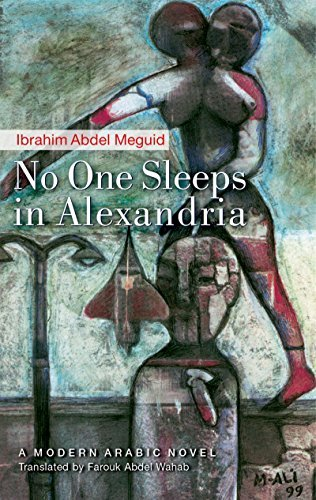
No One Sleeps in Alexandria by Ibrahim Abdel Meguid/ Farouk Abdel Wahab

                          War-Time Alexandria: Resilience, Identity, and Sanity


(An analysis of Ibrahim Abdel Meguid's No One Sleeps in Alexandria reveals it as a passionate yet unflattering, realistic portrayal of a great city caught in the wartime upheaval of World War II. The novel intertwines the lives of a diverse array of characters from across Egypt and beyond, sharing both joys and miseries, and contributing to the hybrid cultures that Alexandria is known for. By blending history with personal narratives, the novel crafts a poignant epic of humanity at the crossroads of violent shifts and cultural transformations.)

Fazal Rahman

Founded by Alexander the Great in 331 BC, Alexandria is one of the most historic cities in the Mediterranean. Located on the northern coast of Egypt, it served as a center of knowledge and culture in the ancient world. It was home to the famous Library of Alexandria and the Lighthouse of Pharos, one of the Seven Wonders of the Ancient World. Alongside Greek, Egyptian, and Roman influences, Alexandria later became a significant meeting place for Islamic culture. It excelled in science, philosophy, and art, and its strategic location established it as a hub for trade and maritime exchanges, connecting Africa, Europe, and Asia. A witness to the rise and fall of empires over the ages, the city remains a cradle of rich heritage, including Greco-Roman ruins, Coptic churches, and Islamic architecture. Merging historical grandeur with modernity, Alexandria is celebrated today for its literary and intellectual legacy, vibrant cultural scene, and its role as a bridge between past and present.

Alexandria also holds an important place in world literature, often depicted as a city of mystery, hedonism, and intellectual awakening. Its cosmopolitan character and rich history have inspired countless literary works, both ancient and modern. In the modern literary imagination, Alexandria was immortalized through Lawrence Durrell's Alexandria Quartet. In these works, Durrell captures the complexities Egypt and Alexandria faced between the two world wars. E.M. Forster’s Alexandria: A History and a Guide offers a snapshot of the city at the turn of the 20th century, blending history with personal observations. André Aciman's Out of Egypt reflects on the city’s cosmopolitanism and multicultural society, while the famous Greek poet Constantine Cavafy, in his layered and evocative poems, explores Alexandria’s timeless appeal as a meeting place of cultures. Additionally, the works of Arab writers such as Naguib Mahfouz, Edward al-Qarat, and Youssef Zeidan delve into its religious, philosophical, and cultural conflicts from non-Western perspectives. Through these literary works, Alexandria emerges as a symbol of cultural richness, fusion, and artistry that transcends borders.

Egyptian novelist Ibrahim Abdel Meguid further solidifies Alexandria's position in contemporary Arab literature as a historical and cultural hub. His Alexandria Trilogy—comprising No One Sleeps in Alexandria, Birds of Amber, and Clouds Over Alexandria—is particularly notable. In an interview with Mogha Hassib for Arab Lit Quarterly, Abdel Meguid described the inspiration behind the trilogy. After completing No One Sleeps in Alexandria, he reflected on three key historical phases that shaped the city. The first phase was marked by cosmopolitanism and secular tolerance, even during the turmoil of World War II. The second phase followed the Suez Canal crisis of 1956, when the departure of expatriates drastically altered the city’s global character. This shift was exacerbated by President Gamal Abdel Nasser's policies of nationalization and socialism. Having been born in 1946 and raised in Alexandria, Abdel Meguid witnessed the city’s transformation from a global society into a more insular Egyptian city.

The second part of the trilogy, Birds of Amber, captures this transitional stage, when memories of the old metropolis remained vivid. The third phase, depicted in Clouds Over Alexandria, reflects the impact of President Sadat’s alliance with Wahhabi and Salafi fundamentalism in the 1970s, which, according to Abdel Meguid, caused the city to lose both its global and Egyptian spirit, leaving it exposed to a "desert culture." Abdel Meguid considers Alexandria itself the protagonist of all three novels, which can each be read as standalone works.

The Mosaic of Human Relations

In No One Sleeps in Alexandria, set against the socio-political ravages of World War II, human relationships reflecting the complexities of love, faith, friendship, and loss endure despite conflicts, forming the foundation of the narrative. These relationships mirror the struggles and resilience of the city itself, interweaving personal connections with broader social themes.

At the heart of the novel is the profound friendship between Magd al-Din, a devout Muslim, and Dimyan, a Christian. Their bond transcends boundaries, serving as a microcosm of Alexandria’s diverse yet interconnected society. This relationship is not merely evidence of secular tolerance but represents a deep human connection rooted in shared experiences and mutual respect. A parallel to this is the warm bond between Zahra, a village woman bewildered by the unfamiliar city, and the elderly Sitt Mariam, the mother of Camila and Yvonne.

The novel’s backdrop is the troubled state of war, as Magd and Zahra move to the hybrid vastness of Alexandria, leaving behind the terrors of their farming village, plagued by a long history of vendetta that haunted the family. The human connections that withstand these conflicts sustain society in a web of interdependence. The city itself, depicted as a living entity, becomes both a setting and a refuge. Community relations during crises, such as airstrikes and resource scarcity, reveal not only the solidarity that emerges in adversity but also Alexandria’s role as a physical and emotional sanctuary.

The relationship between Rushdie and Camila embodies youthful, idealized love that defies social and religious constraints. Marked by moments of intense beauty as well as challenges, their love symbolizes a romantic idealism. Camila’s ultimate decision to join a convent reflects the weight of societal expectations. However, her choice represents not despair but a search for peace beyond the physical, while Rushdie finds solace through poetry and creativity. He would pursue his passion for French language and literature, befitting the polyglot city that was Alexandria.

Dimyan’s irresistible attraction to Bikri, a mysterious Bedouin girl, inversely mirrors the Rushdie-Camila dynamic of a Muslim boy and Christian girl. Dimyan struggles with his uncontrollable passion for a girl not even his daughter’s age. He consoles himself with a fatalistic belief that losing her is his predestined pain. Bikri, who came from god-knows-where and vanishes in the same fashion, is a symbol of mystery and otherness and represents the allure of the unknown. This relationship further explores the novel’s central themes of love and cultural boundaries.

Another deterministic tragedy in the novel is Bahi’s life and his tumultuous relationships. According to his doting mother, Bahiya, he was born with a halo, burdened from birth with the fate of becoming an irresistible temptation to women, akin to the Biblical Joseph. This predestined allure sowed the seeds of vendetta that embroiled the male descendants of two dominant village families. Only three survived the violence: one member from each family, who were hafids (those who knew the Quran by rote), and Bahi himself, spared because he was not man enough for vengeance. Magd al-Din, Bahi’s elder brother, describes him as a victim of his unchangeable fate, comparing him to Job. “Some people have been preordained to endure great pain. Job was one, and now Bahi.” Bahi’s tragic allure left women devastated. The most enigmatic of these is Vageeda, an aristocrat who followed him anonymously for over a decade, ultimately dying a vagabond at his grave in Alexandria. Her story epitomizes the heartbreak surrounding Bahi, whose grave is famously haunted by women, prompting the cemetery keeper to remark, “This is the first deceased whose relatives are all women.”

Magd al-Din and Zahra are compelled to leave their village and seek refuge with Bahi in Alexandria due to the mayor’s machinations. Exploiting the terror about the re-eruption of the vendetta, the mayor seizes their property. In contrast to the turbulent relationships depicted throughout the novel, the bond between Magd and Zahra offers a story of mutual trust and stability that transcends time and space. While Rushdie and Camila’s passionate yet tumultuous love reflects the idealism and rebellion of youth, Magd and Zahra’s relationship embodies traditional values of patience and tolerance. Their resilience mirrors Alexandria’s endurance, and the city awakens to serenity after the war’s horrors: "Alexandria became a city of silver with veins of gold."

However, the novel does not shy away from depicting the misogyny that mars human relationships, particularly in its portrayal of rural life. From unprovoked brutal acts of atrocities and mutilation carried out as part of tribal behavior of asserting male supremacy in the most violent ways, these include ridiculous honor-killings based on flimsy rumors. In one such case, a beautiful, innocent young wife is beaten to death, simply because a neighbor, frustrated by her rejection, opted to spread stories of her infidelity. Her husband didn’t even consider giving her an opportunity of explanation. Even Alexandria, despite its progressive facade, is not free from misogyny. The Mahmoudia Canal bears grim testimony of pervasive violence against the vulnerable. We read that the bodies floating in the Canal are always those of women and children.  

Colonization and Cultural Hybridity

The forces of colonization and cultural hybridity play a decisive role in shaping the dynamics of relationships in No One Sleeps in Alexandria. As a city historically moulded by diverse influences, Alexandria became a true melting pot during World War II. Soldiers, immigrants, and refugees from various countries converged upon its streets, adding to its already rich and layered cultural fabric. The lingering imprints of early French occupation and subsequent British rule are deeply woven into the city's identity, influencing the lives and interactions of its inhabitants.

Among the soldiers that Magd al-Din and Dimyan encounter, there are men from across the world, many hailing from colonized nations under harsh living conditions. These soldiers, mostly uneducated, face an uncertain fate as they march toward a war with no promise of return. Arguments, quarrels, and disputes are common, fuelled by racial, caste, religious, and other prejudices. Yet, amidst these tensions, the novel subtly highlights the possibility of cultural fusions, illustrating moments of shared humanity that transcend divides.

For Indian readers, several instances in the novel stand out for their resonance and historical relevance. Each chapter begins with a lyrical quotation, often from renowned authors, and Rabindranath Tagore’s verses are prominently featured. In a striking moment, the penultimate chapter, where Dimyan’s death unfolds, opens with a rare instance of death-wish lyrics in Tagore’s oeuvre, adding a poignant layer to the narrative. The novel also captures the global reverence for the figure of Mahatma Gandhi during this period. Through soldiers' discussions, allusions to Gandhi’s ideals and India’s independence movement emerge as recurring motifs. In one scene, when someone among the soldiers mentions the possibility of India’s Partition, a rationale is raised as to why they can’t focus on achieving independence first. Independence should definitely take precedence over divisions. Tensions arise when Orientalist stereotypes provoke confrontations between Indian soldiers and others, illustrating the simmering cultural and racial prejudices within the imperial war machine. However, these moments of friction are counterbalanced by profound admiration for Indian leaders, particularly Gandhi. Safi al-Naeem, a Sudanese soldier, eloquently extols Gandhi’s influence, declaring:
 “India is a large country… It has about three hundred million people. True, they have many religions, but they also have Gandhi… He’s the one who’s fighting the English. He’s fighting them without weapons. He tells the Indians to fast, and they all fast, to stop dealing with the English, and they all stop, not to trade with them, and they all refrain, to stand on one foot for a whole month, and they do. They are like one strong man. Gandhi doesn’t have any army, but he has a whole people.”

This admiration, though exaggerated in its poetic over-readings, underscores the interconnectedness of global anti-colonial struggles. The presence of Indian soldiers and references to Indian politics and the freedom movement lend a unique dimension to the novel's exploration of cultural hybridity. These moments further establish Alexandria as a crossroads of civilizations, where ideas and cultures mix dynamically while retaining their distinct identities.

The novel delves deeply into how Egypt, and particularly Alexandria, negotiated the complexities of colonial rule. The war introduced new cultural confrontations, intensifying tensions among the city’s inhabitants. Alexandria was the battleground for rival colonial powers, especially Italy and Britain, each vying for supremacy over the Mediterranean’s most vital port.

Against this turbulent backdrop, the resilience and adaptability of Alexandria’s people emerge as central themes. The novel celebrates their ability to endure and thrive amidst external pressures and internal strife. This resilience is the enduring value that the author upholds in this opening installment of the Alexandria Trilogy.

Confluence of Modernist Narrative Techniques and the Historical Novel

The structure, themes, and stylistic choices of No One Sleeps in Alexandria blend modernist literary practices with the enduring elements of the historical novel. This fusion allows the narrative to intertwine personal stories with historical traumas, offering a profound observation of wartime Alexandria. The aesthetics of modernism—fragmented narrative, psychological depth, and a complex interplay between individual and societal interactions—are evident throughout the novel.

Rather than adhering to traditional linear storytelling, the polyphonic narrative creates a mosaic of characters, reflecting the systemic disintegration and turmoil of wartime Alexandria. By rejecting the singular authorial voice characteristic of classical novels, the narrative embraces pluralism, denying the notion of a singular truth and instead amplifying the voices of the marginalized. Despite being anchored in a specific historical period, the interweaving of past and present underscores the narrative significance of time and memory.

The novel explores the disruption of lives by the pull of tradition, accelerated by the forces of colonial modernity, as well as the political, economic, and cultural conflicts exacerbated by colonial rule. It juxtaposes personal lives with the larger forces of history, exemplifying the interplay between the personal and the historical. The psychological approach the author adopts delves into the internal worlds of characters experiencing emotional and spiritual turmoil, often conveyed through internal monologues—a hallmark of modernist classics.

The existential conflicts faced by the protagonists—Bahi’s fatal charm and Dimyan’s impossible desire—are emblematic of the crises of modernity. These struggles generate despair and futility, threatening the characters’ very existence. These existential undercurrents align the novel with modernist literature, as does its portrayal of alienation. Whether among the soldiers, immigrants, and refugees who flock to wartime Alexandria or the city’s restless residents on the verge of displacement, all grapple with the sense of alienation brought on by colonial domination and subsequent identity crises.

Furthermore, the novel critiques ‘Grand Narratives’ like colonialism, nationalism, and religion, situating itself firmly within the modernist tradition. The poetic imagery interwoven throughout the narrative transcends its romantic tone to reveal hidden truths about larger narratives. For instance, when the author writes, “The boats sailed or steamed into the canal on top of two hundred thousand life stories, maybe more,” it alludes to the silenced tragedies of laborers who perished during the construction of the Mahmoudiya Canal. History says that its construction started at the beginning of 19th century on orders of Viceroy Muhammad Ali and that is what awakened the city from centuries of indolence and led it to prosperity. The novelist is reminding us that there is also a silent history of countless helpless people buried in its making, and, for that matter, any other urban culture. Thus, the novel pays tribute to the countless lives sacrificed in its making, thereby emphasizing the untold costs of urban culture.

Magd’s emotional denial of Dimyan’s death, as he witnesses his friend consumed by fire during a bombing, is heightened through evocative metaphors that elevate Dimyan’s suffering to a Christ-like realm. Magd reflects, “Dimyan did not die; he was not burned. God had lifted him up to heaven, and he had seen him, otherwise who was ascending on the golden horse, moving away into space from the fire of the dragon?” This moment, laden with religious and mythical imagery, encapsulates the novel’s blending of personal grief with universal suffering. Also, it lends utmost dignity to the otherwise meaningless death of a simple ordinary war-victim who would never make it into ‘grand narratives’ per se.

The influence of religious traditions such as the Bible and the Qur’an is evident in the novel’s metaphors and imagery. The author’s language, often highly evocative and poignant, touches upon both the legacies and misfortunes of Alexandria, offering a lyrical homage to the city.

The meticulous depiction of Alexandria, capturing the daily lives of its poorest inhabitants alongside its historical and global dimensions, speaks to the extensive research underpinning the narrative. It vividly recounts events from Europe and the Eastern Front during the war, as well as battles in the desert to prevent Alexandria’s fall to Rommel. However, the novel does not merely chronicle major historical events; it also sheds light on seemingly minor occurrences overlooked by official histories, such as the struggles of migrant farmers and laborers.

That said, some aspects of the novel have been critiqued for potential anachronisms. For example, one Amazon reader review notes that migrant farmers from northern Egypt during the story’s period (1938–1942) might have referred to desert dwellers as ‘Arabs’ rather than ‘Bedouins.’ Such critiques, however, do little to detract from the novel’s broader achievements. Ultimately, No One Sleeps in Alexandria stands as a eulogy to Alexandria itself. Loving, emotional, and quintessentially Egyptian, it serves as a biography of the city, immortalizing its essence amidst the sweeping currents of history and modernity.

Sources:

  1. Mohga Hassib & Ibrahim Abdelmeguid. ‘Ibrahim Abdelmeguid: ‘The Hero Is the City’, Arab Litt & ArabLitt Quarterly, January 31, 2014, https://arablit.org/2014/01/31/ibrahim-abdelmeguid-the-hero-is-the-city/
  2. Abdel-Messih, M.-T. (2005). Alternatives to Modernism in Contemporary Egyptian Fiction: Ibrahim Abdel-Maguid’s No One Sleeps in Alexandria. International Fiction Review32(1). Retrieved from https://journals.lib.unb.ca/index.php/IFR/article/view/7799
  3. Reader Review in Amazon page: Adel Darwish, ‘Love, Death, Friendship and war that brings Alexandira's character to life’, Reviewed in the United Kingdom on 18 February 2019
  4. Nourhan Ashraf Muhammad. ‘''Comparing Lawrence Durrell's Portrayal of the City as a Character in Justine to Ibrahim Abdel Meguid's in No One Sleeps in Alexandria'', 16.04.2018. Comparative Literature Course paper Dept of English Literature, Cairo University

Friday, December 20, 2024

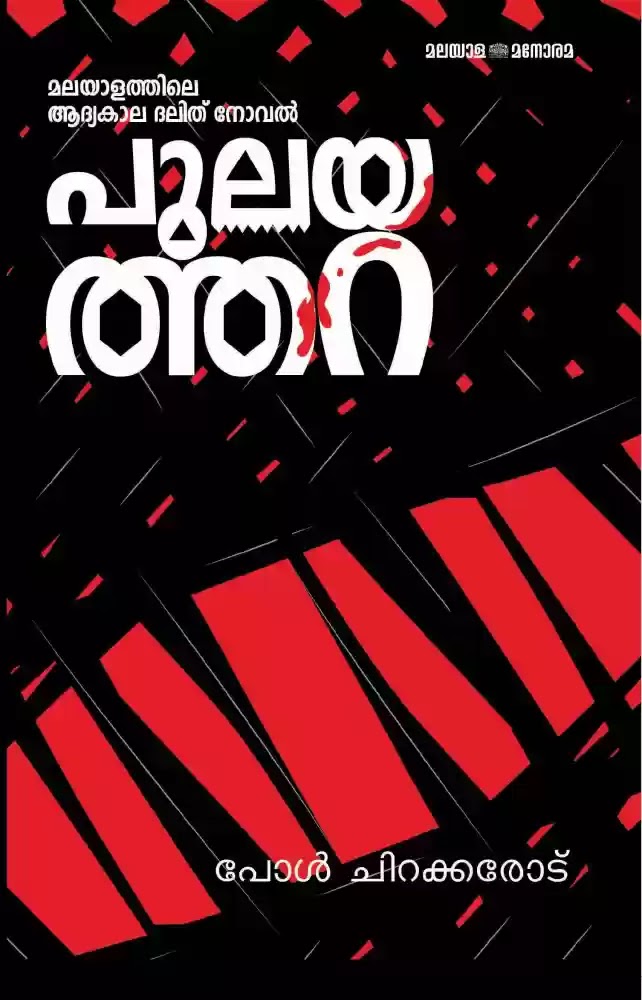
Pulaythara by Paul Chirakarode (English)

 'Pulayathara' - Dalit life recovered?


(A contemporary reading of 'Pulayathara', which is described as the earliest Dalit novel in Malayalam literature. The article observes that the question of whether the optimism set forth by the novel's ending has yet been realized, lies in the text of the novel itself.

The textual extracts are independent translations from the Malayalam originals, intended solely for analytic purpose and may vary from the authoritative translations.)

'Soul? Does Pulayan have a soul? I will lock you up if you don't work every day." – Koshi Kurian

-(by Mrs. Richard Collins - 'The Slayer Slain'- 1877.)

“But sometimes I fear that the poor people will not have heaven. Sometimes it feels like we are undercast here as well as there.”- Paulos Pulayan

- (by Mrs. Richard Collins - 'The Slayer Slain')

“They are Pathirivedas (followers of priests). In other words, they are the followers of Jesus Christ. They also have the same Veda (scripture) as the whites. They do not have a specific caste. There is no caste. People of many castes have joined. When combined, everything becomes one, like the sea.”

-          (Swaraswathi Vijayam (1892) – Potheri Kunjambu)

In the honest, objective perspective of an outsider, South African novelist Sheila Fugard, in her famous novel 'A Revolutionary Woman', describes Indian caste system as the spring worm in the bowels of Indian society through millennia. Fugard’s book, incidentally, focuses on the subject of Gandhi's interactions in that country and the Gandhi-Kasturba relationship. Literary expressions of Dalit living conditions, described by one critic as a 'daily holocaust', *(1) have, however, acquired authenticity only in recent times. Stories reflecting traits of Dalit literature in varying degrees have come out in works such as Madam Collins' Ghataka Vadham (‘The Slayer Slain’- 1877) or, even in earlier missionary narratives. M.R.Renukumar observes that the post-eighties re-readings of the works of Pandit Karuppan, T.K.C. Vaduthala, Paul Chirakarode, C. Ayyappan etc; were inspired by the Dalit literature that emerged in Maharashtra in the wake of Ambedkar's interventions from 1920 to 1956.*(2).  Dalit literature in the formal sense grew in Malayalam, only after it emerged first in Marathi and then in Hindi, Kannada, Telugu, Bangla and Tamil. It is important in the history of Malayalam Dalit literature that works problematizing caste and religion (Ibid) were written in the sixties itself, although 'it cannot claim any socio-political content that Marathi Dalit literature attained in the light of Buddhism and Ambedkarism.’ 'Pulayathara' (1962) is considered to be the next most important work in Malayalam Dalit novels, after Potheri Kunjhambu's 'Saraswatheevijayam' published in 1892 and TKC Vaduthala's 'Katayum Koithum' published in 1960. But the question of why the book did not occupy a prominent place in literary history either when it was first published or in the decades that followed can only be explained by juxtaposing it with a pervasive maintstream, upper-caste sensibility. 'The ability of the dominant/upper class .. to simultaneously perpetuate their superiority and the subordination of the masses in tune with the times by creating social, cultural and aesthetic binaries is extraordinary' (Ibid). This is the clearest explanation why 'Pulayathara' or other similar works did not get the same acceptance as a novel like 'Randidangazi'. Such novels (Randidangazhi) were obviously circumscribed by the didactic character of progressive literature and proletarian political convictions, and found solution to class conflicts in the magnanimity of the upper class characters who attained class consciousness.

Generic Characters:

"The history of a person in an invisible community will be the history of a community," observes the narrator, who is a research scholar, in Pradeepan Pambiri's novel 'Eri'. This observation is the precise explanation why in the stories of those down-trodden/ colonial/ racial / casteist/ racist/ apartheid/ subaltern/ marginalised people, generic experiences become more important beyond the personal, and why characterisation relies more on types and representations than on individuals.

Pulayathara depicts the slave/slave-like Pulaya lives of Kuttanadan comminities in the timeline of the last decades of the 19th century and the beginning of the 20th century, through a few characters who are more symbolic than individuals, like Thevan Pulayan, his son Kandankoran, and the upper’caste land-owner Narayanan Nair. One morning, the ‘Janmi’ (feudal land-lord) evicts a drained-out-of health Thevan Pulayan from the fields that have grown emerald from his sweat and salt of more than six decades, on a non-existent charge. It becomes a loss of paradise for the Pulayan, not because he has any ownership-claim over that land, but, for the emotional and organic connect he has with it. There are still more observations in the novel that mark Pulayan as a part of nature itself. Beyond the political slogan of ‘farm-land for the farmer’, the natural harmony evident in the next generation through Kandangoran/Thoma can also be seen as a foreshadowing of later geopolitical convictions.

Annakkidathi understood. Her husband was a part of that vastness.... He is the son of the fields. The field is his Karmabhumi (mission area).”

The Janmi sees a growing threat in Kandangoran, who was possessed by the new generation's quest for independence. It is the time when communism was taking root. Thevan and his son, who have lost their abode and livelihood in one fine morning, knock at the hut of their old friend Pallithara Paulus, who was 'Kilian Pulayan' earlier, looking for a place to rest.

Paulus, who was allowed to build a hut in the church-owned land as a converted Pulayan, has no objection in accommodating the new guests. But Maria is worried about the additional burden of finding means for more mouths and is not so happy. When she expresses it overtly or covertly, it is too much of an affront to the dignified Thevan and Kandankoran. The budding romance between Annakitathi and Kandankoran leads him to opt for conversion to fulfil his love. This completes Thevan’s isolation, who holds the old family/tradition, rituals and totems (Vetchupujas) as sacred. The fact that the novel dismisses the old man to fade out into the solitary path of mysterious/ mystical pursuits and to the margines of narration, one might say, was a narratively an underutilized opportunity of sorts. In the narrative style of the contemporary Malayalam novel, a unique trend is gaining traction, to the point of getting tiring. Even if the story is set in the timeline of colonial modernity, characters who are mostly dalit/ Adivasi and drawn from a bygone/ dying-out tribal culture and environments, are paraded in an exhibitionistic manner, their minimal lives being exoticized as an arena to exercise the author’s post-modernist narrative skills. In a sense, the marginal lives exoticized in mainstream literature today are a Kerala variant of Orientalist subservience perched in postcolonial narratives in-reverse. This style of writing becomes a shortcut to public consensus as the critical world either fails to, or opts not to, raise the question where these expressions intersect with social life in any manner. The later life of Thevan Pulayan would have provided ample opportunity for such a temptation. Be that as it may, here the novelist condenses it all at once in the briefest of words.

'The old man Thevanpulayan is still wandering on the edge of that fields. The old conch and the cowrie will never go out of hand. It is a game of drawing a column on the soft soil and arranging cones. And so will it continue. It is an unrecognized iteration of the hereditary Velathan Pani (caste-ordained job).'

In Kandangoran, it is clear that the memory of his father alive as pain and obligation. He decides that his and Annakidathi's baby should be named after his father, and nothing, including his conversion, was too big to stand in the way.

Social environment of conversions

The novel strongly raises the historical question of what the new religion would bring to Pulayan. Those who were branded as lower castes ventured into conversion as a means of emancipation from the caste/slavery discriminations they had experienced and not because of any particular spiritual vision.

"For the Parayan and Pulayan who didn’t own a patch of land for their own, had a purpose in conversion. It is not the illusion of going to heaven. If there is a heaven, it will be the upper caste Christians who will take the lead there as well. You can’t imagine that they would abdicate authority, just in the other world. How do you know that God will not be on their side? Then Pulayan converts to Christianity just to be buried in the Missionary Cemetery. Only mission churches can provide him that facility. What else does Pulayan, tired of working all day, dream of but the grave?"

But those Syriac Christians who always proclaimed the glory of their ancestry were in fact abusing the missionary gratuity:

“The mission land was earned and handed over by the white missionaries who came from abroad. They sought it to house the poor, newly converted Christians of this country. It was the pious deed done by those good-hearted missionaries, seeing the vulnerability of the new converts in the name of caste. The Syrian Christians were clinging to them and climbing into the leadership position.”

But the centuries-old caste slavery was not so easy to sweep away.

“In Uphill parish, Syrian Christians were always Tambrakans (caste-masters/Lords) in the congregation. Even though Parayan and Pulayan were baptised, they were still untouchables. That status continues to this day.”

Even Poulus, who saw conversion as a true spiritual experience, soon realizes this predicament. The term 'cat Christians' applies to him as well. He too asks the same question those like Kali Parayan always raised: “Were we converted just to be enslaved?” In fact, Paul was a symbol of the reality of the caste system in the parish, where his position of church committee membership was only to be displayed as a decoration, and he had no part at all in any decision-making. The fact that all this was historically true and that the situation like in the colonial Kerala of the 1930s-40s, the time of the novel, did not change much in later times, shows why the book merits discussion even today. But  Kandankoran, who becomes Thoma and marries Annakutty, does not have excessive expectations in conversion at any point. This is an indicator of his sense of reality about the future. He does not have any spiritual goal behind his conversion other than making Annakidathi his own. He knows that what would remain for him, the master of toil, are those fields that are wide enough to shed his sweat in. All he ever ached was for his father: when tradition and his son’s love locked horns, he was unable to break the ties of the former and went down the path of solitude. Kandankoran has only one desire before that obligation: that his son be raised, with the same name of that father. He has a firm answer to Annakidathi who is apprehensive if the church people would accept the name Travanjoor Pulayan. "I don't care if the parishioners would agree. I would call my son just that name.” But he also insists that his son shouldn’t suffer what his father or he suffered: "I will teach my son and make him somebody. I won’t let him go to work as a coolie.”

When the fresh wind blows

The novelist is very optimistic about the beginning of the wind of a new era, starting with the disputes between the old Christians and the new Christians in the church committee and the church's stance against the growth of union politics. The novel ends with Thomas and Annakutty deciding not to baptize their child or give him a Christian name. However, the novelist also marks the fulness of optimism not only through Kandangoran, who was a rebel from the very beginning, but adds an epilogue-like sentence as the herald of a social transformation. "The new generation has begun to speak." It can be said that beyond mere inspiration, the politics of the expression 'speak' is also related to the question of 'Can the subaltern speak?'  For a people whose language is obedience and silence, speaking itself is an active negation of imposed/alleged subordination.

From the very beginning, the novelist cherishes the idea that the gap between generations is the harbinger of hopeful days.

"The matter of the new Christians. They have no say in such matters. Or, if there is, it will not be said. Who are they but hearers?',

'That simple man has no language.'

From here, at the very end of the first chapter, the novel declares that the old generation accustomed to obedience and silence will become obsolete:

            'That labourer of the next generation may defy the master.’

‘It will be the beginning of a struggle.'

In a sense, it is the fulfilment of this declaration that makes the end of the novel possible. Along with this optimism, the resonances of the committed literature produced by the Renaissance and the progressive period are also evident in the novel:

“Since community justice today doesn’t approve. This system of denying rights to the labourer needs to change.”

It is exactly the fear of a generation awakening to the sense of entitlement that makes the sexton and the church oppose even the sprouting of communist ideas and dub it as the biblical 'roaring satanic lion'.

“There is not even a sense that rights are denied. How will complaints come up in the absence of that feeling?'

It is also important that there are at least a few characters in 'Pulayathara' who listen to the message of humanity put forward by Renaissance, even as they are not directly affected. "No one should call me 'Tamra' (Lord). The teacher who says, 'I don't like it' is one of them. A brighter character is Pillechan, the tea-shop owner who speaks out against discrimination in the church, despite great personal loss:

“You would convert poor Parayas and Pulayas. Then you call them cat Chirstians. Mark that these are all ungodly deeds.”

He also upholds the right of New Christians to convene a meeting.

“Though it is true that Pulayas have converted, they are still a separate community. Between them and you, there is no connection at all. They have to have a meeting. What's wrong with that?”

He also has answers to the accusation that the canon of the Holy Church is being violated:

'Then why are you still keeping them apart as new Christians?'


Since authentic Dalit literature is literature written by authors from the same people, it can be said that the novel has the soul of a novelist who knows the ins and outs of Dalit life as "a descendant of Daivathan who was the first person to undergo religious conversion in Trivancore". (Sitara I S). But the term Dalit is completely alien to the text of the novel. The Maharashtra Dalit Sahitya Sangh, organized in 1958, used the term precisely, but it came into use again still later in the Malayali community. M.R. Renukumar notes that 'Dalit literature in mainstream Malayalam became prominent with Bhashaposhini publishing a 'Dalit literature edition''. Though there have been novels in Malayalam featuring Dalit characters, especially Dalit Christian characters, from ‘The Slayer Slain’ onwards, they have all portrayed them as making radical progress through conversion to Christianity. They were all descendants of the Pulaya Christians who speak the standard Malayalam of 'Ghatakavadha' and wax eloquent about the holiness of Christ's way. Writers like Potheri Kunjambu (Saraswathi Vijayam -1892) shared the same bright and emancipative view of conversions, which, incidentally, explains why the Dalits or other untouchables of colonial times often viewed the British in higher esteem and were not that eager to participate in anti-British struggles, at least in the early stages of the nationalist movement. When asked why he didn’t want the low castes to prosper, Kuberan Namboodiri (Saraswathi Vijayam) reacts that Bhrahmavu has it is so ordained as purgation for the sins they committed in previous births and that it was punishment for bhrahmananinda (irreverence to Bhrahmanas). He adds that attempts to uplift them would amount to disrespecting god’s will. He is worried the deluge and Khalki incarnation are imminent, since the whites have jeopardized the labour-based caste-system by letting anyone do any job. Kunjambu clearly thinks of conversions as a way to attain equality and a sense of self respect for the Dalits and other lower-castes (heenajathi): (Saraswatheevijayam, Chapter.3). But such idealizations were not realistic beyond the local variant of the colonial hypocrisy of 'Whiteman's Burden' and 'Civilizing the Savages'. "Completely in contrast to such novels, the writer here has brought out in book form what actually happens." (Sitara I S). This observation about ‘Pulayathara is significant. However, the fact that none of the basic problems faced by Dalits in the novel, like denial of social equality, lack of ownership of land, religious discrimination and direct or indirect untouchability has been resolved yet, colors the optimism presented by the novel's ending.

Speculations on the novel's ending

The ending of the novel is imbued with certain very important questions and contradictions. In spite of his heightened expectations for his son’s future, there is a sense of negation of optimism latent in Kandangoran's characterisation. His determination to call his son with the name of his father is a layered gesture in the context of his attitude towards the church, the family and his tormenting paternal memories. On the most obvious level, it signifies his blatant defiance of the expectations of the church, which claims the likes of him as disciples of faith, but wouldn’t share any privilege unto it, not even a semblance of equality in Christ. The contemptuous treatment, and alienation they are made to put up with, has in fact, resulted in a sort of double exile for them. They were estranged to their parent communities, while the Christian community never accepted them on equal footing. Thus, the converted Dalits were left in a limbo of non-acceptance, suffering old wounds of untouchability in new forms. This experience questioned the very motive of their initial conversion and showed them that ‘Pulaya’ fate was sealed with them, no matter they wore a rosary around their necks. Upper-caste Hindu hegemony was simply replaced by aristocratic Christian hegemony and nothing changed for the Pulayan. On a second level, his decision is his quest to regain his identity. The socio-political impulses in the wake of the emerging forces of communism, union spirit and class-conscious dignity might have contributed to his new awareness that his is no shameful identity, to be compromised for the illusion of a heavenly redemption.

Yet again, on a third level, it is more personal and emotional. It signifies the manifestation of his desire to reconnect with his father, a painful attempt to redeem the old man and a symbolic way to relocate him. But here it is complicated, since it is obvious that any such attempt is a doomed one. That it is unrealistic is proved in his own experience. Pained as he is for the old man’s loneliness and wretchedness, at no point does Thoma contemplate relocating him. Because he knows theirs are incompatible ways of life. The way of the old man is all about traditions, ritualistic, animistic worship of deities and totems. For Thoma, nothing is more important than love. It follows that, even as he is willing to symbolically relocate his father, he can’t afford to do the same in practical, pragmatic sense. This is, in fact, the dilemma of the modern man, torn between tradition and new ways of life. Nostalgia for the old, yearning for the new. That’s why he doesn’t want for his son to follow the way of life supposedly destined for the Pulayas, but wants him to carry a name as ancient as generations. Sheer nostalgia, which has nothing to do with future. In other words, by giving such a name to his son, who represents future, he would be putting the youngster in the cross-roads of modernity versus tradition. Would he pick as his father wants him to do, or as his father did do? Given the fact that times are changing, the answer is obvious.

So the question is not whether the parishioners would agree to christen the son of a new Christian with the name Thiruvanjoor Pulayan. It is: will the son himself, who grows up educated and removed from Pulayan's routine, tolerate the name, as Kandankoran alias Thoma visualizes it? Convinced that outdated traditions are not more important than love, Kandankoran did abandon his father and religion midway. What guarantees that history will not repeat itself? How can we say that a son, nurtured in modern education, wouldn’t find a name that marks the tradition of two generations ago a burden? Although the novelist does not directly suggest this, Thoma’s abandoning of his father in all practical sense tells it all. It is quite unrealistic to expect a son, who is not emotionally attached to that old way of life even as his father is, to do what that father did not do. Who can vouch that he wouldn’t slip away into the less-politically correct ‘hijra’  life of compromises the narrator in Sharankumar Limbale's 'Hindu' lives, or to the fashionable aversion of the educated tribal youth who turns his back on his stinking, ragtag Adivasi father in K.J.Baby's Nadugaddika ?

Sources:

1.         Yogesh Maitreya. ‘Pulayathara: A Dalit Man’s Quest for Home and Love’, https://www.newsclick.in/pulayathara-dalit-man-quest-home-love, 28 Feb 2022. Acccessed 21.07.2024

2.         എം.ആര്‍.രേണുകുമാര്‍, ‘വീണ്ടെടുക്കപ്പെടുന്ന പുലയത്തറ, മലയാള മനോരമപുലയത്തറപതിപ്പിന്‍റെ ആമുഖം.

3.         സിതാര . പി., ‘പുലയത്തറയിലെ അടിയാള ജീവിതങ്ങൾ, Ala/അല, A Kerala Studies Blog, Issue 69

4.         സരസ്വതീ വിജയം, പോത്തേരി കുഞ്ഞമ്പു, അധ്യായം മൂന്ന്.