Featured Post

Showing posts with label Arab Fiction. Show all posts

Sunday, May 24, 2026

The Secret Life of Saeed the Pessoptimist by Emile Habibi / Salma Jayyusi / Trevor Le Gassick

             അതിജീവനത്തിന്റെ ഐറണി – എമിലി ഹബിബിയുടെ ദുരന്തഹാസ്യം:

പലസ്തീനിയൻ പ്രതിരോധ സാഹിത്യത്തിലെ സ്വത്വവും അസ്തിത്വ പ്രതിസന്ധിയും.


വടക്കന്‍ പലസ്തീനിലെ തീരദേശ നഗരമായ ഹൈഫയില്‍ ക്രിസ്ത്യന്‍ കുടംബത്തില്‍ 1921 ജനിച്ച ഇമില്‍ ഹബിബി, ഗസ്സാന്‍ കനഫാനി, ജബ്ര ഇബ്രാഹിം ജബ്ര എന്നിവരോടൊപ്പം പലസ്തീനിയന്‍ സാഹിത്യത്തിലെ ത്രിമൂര്‍ത്തികളില്‍ ഒരാളായി കണക്കാക്കപ്പെടുന്നു. 1946 ജൂലൈ 22നു തീവ്രസയണിസ്റ്റ് ഗ്രൂപ്പുകാര്‍ നടത്തിയ ബോംബാക്രമണത്തില്‍ കൊല്ലപ്പെട്ട 91 ബ്രിട്ടീഷ്, അറബ്, ജൂത ഇരകളില്‍ ജീവിതപങ്കാളിയാക്കാന്‍ ഹബിബി ആഗ്രഹിച്ച പെണ്‍കുട്ടിയും ഉണ്ടായിരുന്നു. പിന്നീട് അദ്ദേഹം വിവാഹം ചെയ്ത നാദാ അബ്ദുല്ല ജൂബ്രാന്‍ അദ്ദേഹത്തോടൊപ്പം കമ്യൂണിസ്റ്റ് പാര്‍ടി കെട്ടിപ്പടുക്കുന്നതിലും തുടര്‍ന്ന് അതിന്റെ കാര്യാലയത്തിലും പ്രവര്‍ത്തിച്ചു. അവസാന നാളുകളില്‍ അഭിപ്രായ വ്യത്യാസങ്ങളെ തുടര്‍ന്ന് പാര്‍ട്ടിയില്‍നിന്ന് രാജിവെച്ചുവെങ്കിലും ജീവിതകാലം മുഴുവന്‍ കമ്യൂണിസ്റ്റായിരുന്നു ഹബിബി. ഇസ്രയേല്‍ ഭരണം സ്ഥാപിതമായ ശേഷം അറബ് – ജൂത പൌരന്മാര്‍ക്ക് ഒരുമിച്ചു അംഗത്വം നല്‍കുന്ന ഒരേയൊരു പ്രസ്ഥാനം അക്കാലത്ത് അതായിരുന്നു. 1952 മുതല്‍ ഇരുപതു വര്‍ഷക്കാലം ഹബിബി ഇസ്രായേലി നെസ്സെറ്റില്‍ അറബ് പ്രതിനിധിയായി പ്രവര്‍ത്തിച്ചു. അക്കാലമത്രയും ഇസ്രായേലി സ്ഥാപനത്തിന് ശേഷവും തങ്ങളുടെ നാട്ടില്‍ തന്നെ തുടര്‍ന്ന പലസ്തീനികളുടെ രാഷ്ട്രീയ പോരാട്ടമായിരുന്നു അദ്ദേഹത്തിന്‍റെ കര്‍മ്മപഥം. കമ്യൂണിസ്റ്റ് പാര്‍ട്ടി പത്രമായ അല്‍ ഇത്തിഹാദിന്റെ ചീഫ് എഡിറ്റര്‍ എന്ന നിലയില്‍ ഒരു സെക്കുലര്‍, ഡെമോക്രാറ്റിക്, ബഹുവംശീയ (multi-ethnic) പലസ്തീനിയന്‍ ദേശം എന്ന ലക്ഷ്യത്തിനു വേണ്ടിയാണു അദ്ദേഹം നിരന്തരം യത്നിച്ചത്.............

https://www.fazalrahman.com/essays/article/the-secret-life-of-saeed-the-pessoptimist-by-emile-habibi-salma-jayyusi-trevor-le-gassick


Thursday, May 15, 2025

The Queue by Basma Abdel Aziz/ Elisabeth Jaquette


വസന്തം പിന്‍മടങ്ങുമ്പോള്‍


പോരാട്ടങ്ങളില്‍ പങ്കെടുത്തവര്‍ ഓര്‍മ്മക്കുറിപ്പെഴുതാന്‍ തുടങ്ങുമ്പോള്‍ വിപ്ലവത്തിന്റെ അന്ത്യമായി എന്നതിന്റെ ഏറ്റവും കൃത്യമായ അടയാളമാണത് എന്ന് ഏലിയാസ് ഖൂറിയുടെ Sinalcol എന്ന നോവലില്‍ ഒരു കഥാപാത്രം പറയുന്നുണ്ട്അത് ശരിയാണെങ്കില്‍ ബാസ്മ അബ്ദെല്‍ അസീസിന്റെ The Queueഒമര്‍ റോബര്‍ട്ട് ഹാമില്‍ട്ടണിന്റെ The City Always Wins എന്നീ നോവലുകള്‍ ഇജിപ്ഷ്യന്‍ വിപ്ലവത്തിന്റെ അവസാനം സൂചിപ്പിക്കുന്നു എന്ന് പറയാമെന്നു ഗൗതം ഭാടിയ നിരീക്ഷിക്കുന്നു (strangehorizons.com). ഇരു നോവലിസ്റ്റുകളും 2011 -ലെ അറബ് വസന്തത്തില്‍ നേരിട്ട് പങ്കെടുത്തവരായിരുന്നുകൃതികള്‍ രണ്ടും നോവലുകള്‍ ആണെങ്കിലും വ്യക്തിപരമായ അനുഭവങ്ങളുടെ നിഴല്‍ രണ്ടിലും വളരെ സജീവമാണ്. എന്നാല്‍ ഹാമില്‍ട്ടണ്‍ 2011 മുതല്‍ 2014 വരെ കാലയളവില്‍ ഇജിപ്ഷ്യന്‍ തെരുവുകളില്‍ യഥാര്‍ത്ഥ കഥാപാത്രങ്ങളും കല്‍പ്പിത കഥാപാത്രങ്ങളും ഇഴകോര്‍ക്കുംവിധം വൈയക്തികവും സാമൂഹ്യവുമായ ദുരന്തങ്ങളെ ആവിഷ്കരിക്കുമ്പോള്‍ The Queue, യഥാതഥ ലോകത്തെ ബോധപൂര്‍വ്വം അമൂര്‍ത്തവല്ക്കരിച്ചിട്ടുണ്ട്സംഭവങ്ങളും പേരുകളും ചരിത്ര സൂചകങ്ങളും നേരിട്ട് തിരിച്ചറിയാതാക്കും വിധം അകലത്തിലേക്ക് മാറ്റിയിട്ടുണ്ട്.

ഇജിപ്ഷ്യന്‍ ജേണലിസ്റ്റ്പീഡനത്തിനിരയായവരെ ചികിത്സിക്കുന്ന കൈറോയിലെ നദീം സെന്ററിലെ മനോരോഗ വിദഗ്ധഇജിപ്ഷ്യന്‍ അധികാരികള്‍ 2016 ഫെബ്രുവരിയില്‍ കേന്ദ്രം അടച്ചു പൂട്ടിയിട്ടും തന്റെ സേവനം തുടരുന്ന സാമൂഹ്യപ്രവര്‍ത്തക, ഭരണകൂട ഭീകരതക്കെതിരെ ഉച്ചത്തില്‍ ശബ്ദിക്കുന്ന, 'ഞാന്‍ ഭയപ്പെടുന്നില്ലഎന്ന് തുറന്നടിക്കുന്ന 'ദി റിബല്‍എന്ന് വിളിപ്പേരുള്ള വിട്ടുവീഴ്ചയില്ലാത്ത പോരാളിഎഴുത്തുകാരിബാസ്മ അബ്ദെല്‍ അസീസ്‌ ഇതെല്ലാമാണ്അവരുടെ ഇംഗ്ലീഷില്‍ ലഭ്യമാകുന്ന ആദ്യ കൃതിയാണ് The Queueഒരിക്കലും തുറക്കപ്പെടില്ലെന്നു തോന്നിച്ച സര്‍ക്കാര്‍ ഓഫീസുകള്‍ക്ക് മുന്നില്‍ അനന്തമായി കാത്തുനില്‍ക്കുന്ന നാട്ടുകാരെ കാണേണ്ടിവന്ന അനുഭവത്തെ കുറിച്ച് അവര്‍ വിവരിച്ചിട്ടുണ്ട്തുടര്‍ന്ന് പതിനൊന്നു മണിക്കൂര്‍ നേരം തുടര്‍ച്ചയായി എഴുതിയ ഒരു സര്‍ റിയലിസ്റ്റ് രചന പിന്നീട് നോവലായി പരിണമിക്കുകയായിരുന്നുനോവല്‍ ആരംഭത്തില്‍ നാം കണ്ടുമുട്ടുന്ന യഹ് യുടെ കാത്തുനില്‍പ്പ് നൂറ്റിനാല്‍പ്പതു ദിവസമെന്ന സൂചനയാണ് നോവലിന്റെയും കാലഗണന. “സര്‍വ്വാധികാര സ്വരൂപത്തെ കുറിച്ച് എനിക്ക് പറയാനുള്ളത് പറയാന്‍ വേണ്ട വിശാലമായ ഇടമാണ് ഫിക് ഷന്‍ നല്‍കിയത്എന്ന് എഴുത്തുകാരി പറഞ്ഞിട്ടുണ്ട്അറബ് വസന്തത്തിന്റെ ശൈഥില്യത്തെ തുടര്‍ന്നുണ്ടായ സാഹചര്യങ്ങളെ ആവിഷ്കരിക്കാന്‍ ഓര്‍ വെല്ലിന്റെയും കാഫ് കയുടെയും മാതൃകയുള്ള ഡിസ്റ്റോപ്പിയന്‍സര്‍ റിയലിസ്റ്റ് രചനാ രീതി ഏറെ ഫലപ്രദമായി മിഡില്‍ ഈസ്റ്റില്‍ നിന്നുള്ള എഴുത്തുകാര്‍ ഉപയോഗിക്കുന്നുണ്ട്

പേരുപറയുന്നില്ലാത്ത നാട്ടില്‍ പക്ഷെ കഥാപാത്രങ്ങളുടെ പേരുകള്‍ മിഡില്‍ ഈസ്റ്റ് അറബ് ഭൂമിക അടയാളപ്പെടുത്തുന്നു

തുടര്‍ വായനയ്ക്ക്: 

https://www.fazalrahman.com/essays/article/the-queue-by-basma-abdel-aziz-elisabeth-jaquette


Tuesday, April 29, 2025

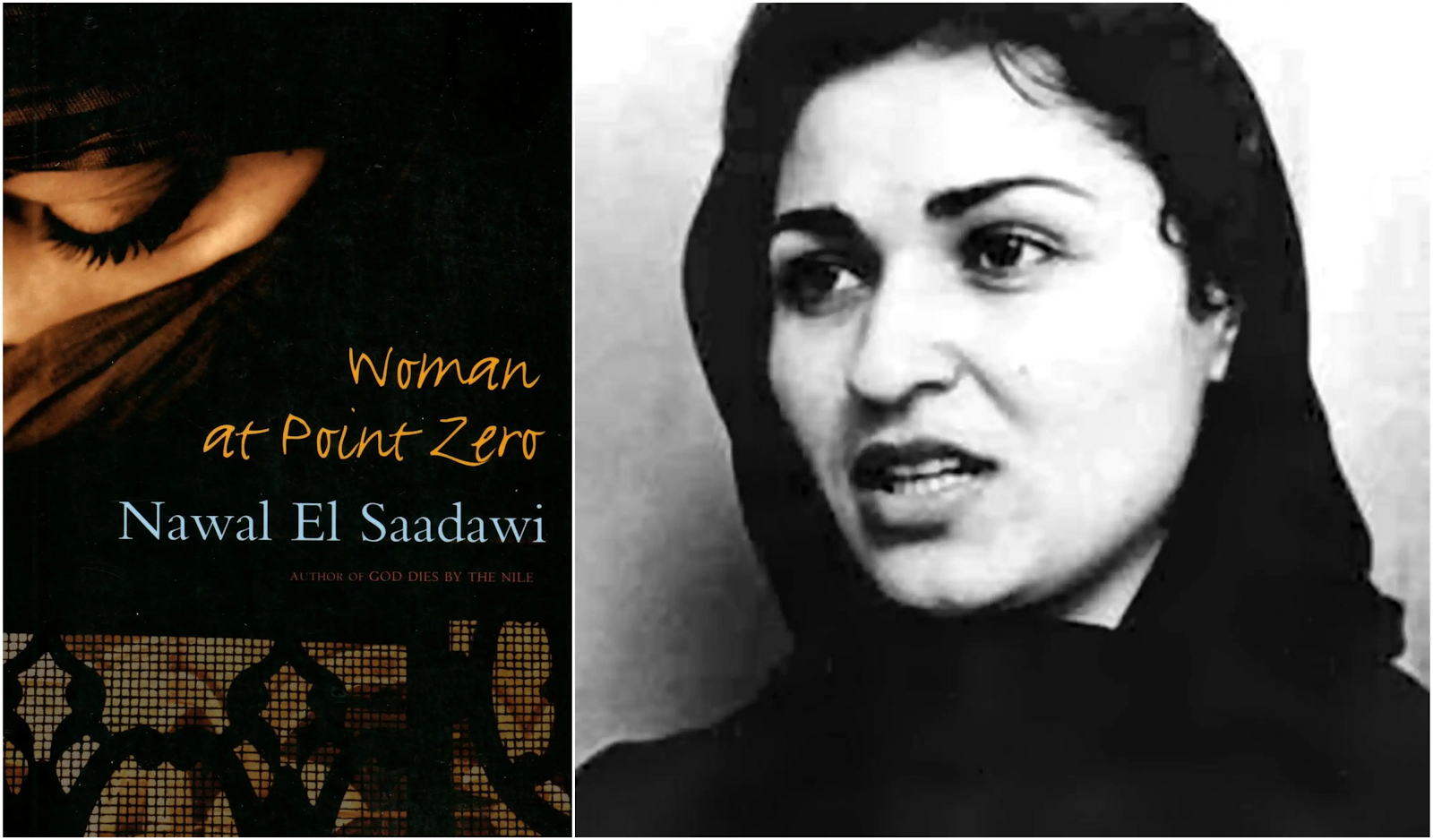
Woman at Point Zero by Nawal El Saadawi / Sherif Hetata

നഷ്ടപ്പെടാനില്ലാത്തവള്‍ കരയുന്നില്ല


കൈറോക്ക് വടക്ക് കഫര്‍ തഹല ഗ്രാമത്തില്‍ ദരിദ്ര കര്‍ഷക കുടുംബാംഗവും സര്‍ക്കാര്‍ ഉദ്യോഗസ്ഥനുമായിരുന്ന പിതാവിന്റെയും ഫ്രഞ്ച് സ്കൂളില്‍ പഠിച്ച ബൂര്‍ഷ്വാ കുടുംബാംഗമായിരുന്നകുതിരയോടിക്കാനും പിയാനോ വായിക്കാനും ആഗ്രഹിച്ച ഉമ്മയുടെയും ഒമ്പത് മക്കളില്‍ രണ്ടാമത്തവള്‍ ആയി ജനിച്ച നവാല്‍ അല്‍ സഅദാവി, പെണ്‍കുട്ടിയെന്ന ‘പരിമിതി’യാണ് തന്നെ മുന്നോട്ടു കുതിക്കാന്‍ പ്രേരിപ്പിച്ചത് എന്ന് ഏറ്റുപറഞ്ഞിട്ടുണ്ട്. ആണ്‍കുട്ടിയെന്ന നിലയില്‍ ചേട്ടനെ പഠിപ്പിക്കാനായിരുന്നു മാതാപിതാക്കള്‍ക്ക് താല്‍പ്പര്യമെങ്കിലും പുന്നാരിച്ചു വഷളാക്കിയ സഹോദരന്‍ പഠനത്തില്‍ പരാജയമായിരുന്നു. പത്താം വയസ്സില്‍ വിവാഹം ചെയ്തയക്കാനുള്ള പിതാവിന്റെ തീരുമാനത്തിനെതിരെ പൊരുതിത്തുടങ്ങുമ്പോള്‍ ഉമ്മയുടെ ഉറച്ച പിന്തുണ കിട്ടാനുള്ള അപൂര്‍വ്വ ഭാഗ്യമുണ്ടായതാണ് പഠനത്തില്‍ മിടുക്കിയായിരുന്ന നവാലിന് ജീവിതത്തില്‍ വഴിത്തിരിവായത്‌. നര്‍ത്തകിയാകാനാഗ്രഹിച്ച, സംഗീതം ഇഷ്ടപ്പെട്ട സുന്ദരിയായ പെണ്‍കുട്ടിക്ക് ആ സ്വപ്നം കയ്യൊഴിയെണ്ടിവന്നത് പിയാനോ വാങ്ങാനുള്ള സാമ്പത്തിക സ്ഥിതി പിതാവിന് ഇല്ലാതിരുന്നത് കൊണ്ടാണ്. ഡോക്റ്റര്‍ ആകാനോ തീരെ താല്പര്യം ഇല്ലായിരുന്നെങ്കിലും, സ്കോളര്‍ഷിപ്പോടെ മെഡിക്കല്‍ പ്രവേശനം കിട്ടിയ സമര്‍ത്ഥയായ വിദ്യാര്‍ഥിനിക്ക് അത് ഒഴിവാക്കാനും കഴിയുമായിരുന്നില്ല. കൈറോ യൂനിവേഴ്സിറ്റിയില്‍ നിന്ന് 1955 -ല്‍ സൈക്കയാട്രിയില്‍ ബിരുദം നേടി കഫര്‍ തഹലയില്‍ തിരിച്ചെത്തിയ നവാല്‍, 1963-ല്‍ പബ്ലിക്ക് ഹെല്‍ത്ത് എജുക്കേഷന്‍ ജനറല്‍ ഡയറക്റ്റര്‍ ആയി നിയമിതയായി. രാഷ്ട്രീയ പ്രവര്‍ത്തനങ്ങള്‍ അവരുടെ ജീവിതത്തില്‍ തിരിച്ചടികള്‍ ആരംഭിച്ചിരുന്നു ഇക്കാലത്ത്. 1972-ല്‍ ‘സ്ത്രീകളും ലൈംഗികതയും’ എന്ന പുസ്തക പരമ്പരയില്‍ ആദ്യ പുസ്തകം പ്രസിദ്ധീകരിച്ച് പെണ്‍ചേലാകര്‍മ്മം പോലുള്ള ഹീനമായ സ്ത്രീവിരുദ്ധതക്കെതിരെ ആഞ്ഞടിക്കാന്‍ തുടങ്ങിയതോടെ ആ എതിര്‍പ്പുകള്‍ ശക്തമായി. വൈകാതെ ജോലി നഷ്ടമായ അവര്‍ക്ക് മൂന്നു വര്‍ഷമായി നടത്തിവന്ന ‘അല്‍ സിഹ്ഹ’ മാസിക നിര്‍ത്തേണ്ടിയും വന്നു. പിതാവിന്റെ ഇഷ്ടത്തിനു വിരുദ്ധമായി നടത്തിയ ആദ്യവിവാഹത്തില്‍ മെഡിക്കല്‍ കോളേജിലെ സഹപ്രവര്‍ത്തകന്‍ ആയിരുന്ന ആദ്യഭര്‍ത്താവ് ബ്രിട്ടീഷ് വിരുദ്ധ കലാപത്തില്‍ പങ്കെടുത്ത ഒളിപ്പോരാളിയായിരുന്നെങ്കിലും യുദ്ധാനന്തരം മയക്കുമരുന്നിനു അടിമയാകുകയും ഗാര്‍ഹിക പീഡനം പതിവാക്കുകയും ചെയ്തതോടെ നവാലിനു അയാളെ ഉപേക്ഷിക്കേണ്ടി വന്നു. ആ ബന്ധത്തിലാണ് മകള്‍ മോനാ ഹെല്‍മി പിറന്നത്‌. ഒരു നിയമജ്ഞനുമായുള്ള രണ്ടാം വിവാഹം അലസിപ്പോയതിനെ കുറിച്ച് “ഞാന്‍ ശരിക്കും ഒരു ഭാര്യയുടെ വേഷത്തിന് പറ്റിയ ആളല്ല” എന്നു അല്‍ സഅദാവി പറഞ്ഞിട്ടുണ്ട്. ശരീഫ് ഹതാതയുമായുള്ള മൂന്നാം വിവാഹത്തിലാണ് ഏക മകന്‍ ആതെഫ് ഹതാത പിറന്നത്‌. ലോകത്തിലെ ഏക ‘ഫെമിനിസ്റ്റ് പുരുഷന്‍’ എന്ന് പോലും അല്‍ സഅദാവി വിശ്വസിച്ച, നാല്‍പ്പത്തിമൂന്നു വര്‍ഷക്കാലത്തെ ജീവിത പങ്കാളിയും ഇതര ബന്ധങ്ങളിലൂടെ തന്നെ വഞ്ചിക്കുകയായിരുന്നു എന്ന ബോധ്യമാണ് ആ ബന്ധം അവസാനിപ്പിക്കാന്‍ അവര്‍ക്ക് കാരണമായത്‌. “ഓ, പുരുഷ ദായക്രമത്തിന്റെ സങ്കീര്‍ണ്ണത. അദ്ദേഹം ലിംഗ സമത്വത്തെ കുറിച്ച് പുസ്തകങ്ങള്‍ എഴുതി, എന്നിട്ട് സ്വന്തം ഭാര്യയെ വഞ്ചിച്ചു. തൊണ്ണൂറ്റിയഞ്ചു ശതമാനം പുരുഷന്മാരും അങ്ങനെയാണ്, എനിക്കുറപ്പുണ്ട്.” ഇജിപ്തില്‍ ഒരു വിവാഹമോചിതയായിക്കഴിയുക ഒരു സാധാരണ സ്ത്രീക്ക് വളരെ പ്രയാസകരമാണെങ്കിലും “പക്ഷെ ഞാന്‍ വളരെ അസാധാരണക്കാരിയാണ്” എന്ന് അവര്‍ കളി പറഞ്ഞിട്ടുണ്ട്.

അല്‍ സഅദാവി രചനാലോകത്തേക്ക്

1973-ലാണ് ‘വുമന്‍ അറ്റ്‌ പോയിന്റ് സീറോ പ്രസിദ്ധീകരിക്കുന്നത്. 1977-ല്‍ ദി ഹിഡന്‍ ഫെയ്സ് ഓഫ് ഈവ്: വുമിന്‍ ഇന്‍ ദി അറബ് വേള്‍ഡ് എന്ന ആദ്യ നോണ്‍ ഫിക്ഷ ന്‍ കൃതിയും. 1973 മുതല്‍ ’76 വരെ ഐന്‍ ഷംസ് യൂണിവേഴ്സിറ്റി മെഡിസിന്‍ വിഭാഗത്തില്‍ സ്ത്രീകള്‍ക്കിടയിലെ മനോരോഗത്തെ കുറിച്ച് റിസേര്‍ച്ച് നടത്തിയതും ’79- ’80 കാലത്ത് യു. എന്‍. ഉപദേശകയെന്ന നിലയില്‍ ആഫ്രിക്കയിലും മിഡില്‍ ഈസ്റ്റിലും പ്രവര്‍ത്തിച്ചതും ഈ പ്രദേശങ്ങളിലെ സ്ത്രീജീവിതങ്ങളുടെ സവിശേഷമായ പീഡിതാവസ്ഥകള്‍ നേരിട്ടറിയാന്‍ അല്‍ സഅദാവിയെ സഹായിച്ച അനുഭവങ്ങളാണ്. 1980-ല്‍ ഇജിപ്ത്യന്‍ സ്ത്രീകളുടെ സാമൂഹികവും ബൌദ്ധികവുമായ സ്വാതന്ത്ര്യത്തിനു വേണ്ടി നടത്തിവന്ന പോരാട്ടങ്ങളുടെ തിക്തഫലമായി സാദാത് ഭരണം അവരെ തടവിലാക്കി. തടവറയില്‍, സാദാത് തങ്ങളെ കൊന്നുകളഞ്ഞേക്കുമെന്ന ഭീതിപൂണ്ടു വിലപിച്ചുകൊണ്ടിരുന്ന മറ്റുള്ളവര്‍ക്കിടയില്‍, സഹതടവുകാരിയായ ഒരു ലൈംഗികത്തൊഴിലാളി രഹസ്യമായി നല്‍കിയ ഐ പെന്‍സില്‍ ഉപയോഗിച്ചു ടോയിലെറ്റ് പേപ്പറില്‍ തന്റെ ആത്മകഥ രചിച്ചു തുടങ്ങുകയായിരുന്നു പോരാളിയായ അല്‍ സഅദാവി. 1981 ഒക്റ്റോബര്‍ ആറിന് സാദത്ത്‌ കൊല്ലപ്പെടുമ്പോള്‍ അതത്ര അപ്രതീക്ഷിതമായിരുന്നില്ല, തടവറയിലേക്ക് ഒളിപ്പിച്ചു കടത്തിയ ട്രാന്‍സിസ്റ്ററിലൂടെ വാര്‍ത്തകള്‍ അറിഞ്ഞു കൊണ്ടിരുന്ന അല്‍ സഅദാവിക്കും കൂട്ടര്‍ക്കും. പുതിയ പ്രസിഡന്‍റ് ഹൊസ്നി മുബാറക് ഔദാര്യപൂര്‍വ്വം വിട്ടയക്കുമ്പോള്‍ അകാരണമായി തടവിലാക്കിയത്തിനു നഷ്ടപരിഹാരം ആവശ്യപ്പെട്ടു കേസ് നടത്തുകയും അത് വിജയിക്കുകയും ചെയ്ത അനുഭവവും അവര്‍ക്കുണ്ട്; വിധിയായ ദശലക്ഷക്കണക്കിനു ഡോളര്‍ നഷ്ടപരിഹാരം ഒരിക്കലും ലഭിക്കുകയുണ്ടായില്ലെങ്കിലും. തുടര്‍ന്നുള്ള അവരുടെ ജീവിതം അറബ് സ്ത്രീകളുടെ ഉന്നമനത്തിനായി സ്ഥാപിച്ച പ്രസ്ഥാനത്തിലും (അറബ് വിമിന്‍സ് സോളിഡാരിറ്റി അസോസിയേഷന്‍) എഴുത്തുകാരി, ജേണലിസ്റ്റ്, ആഗോള തലത്തില്‍ സ്ത്രീപക്ഷ പ്രഭാഷക എന്നീ നിലകളിലുള്ള പ്രവര്‍ത്തനങ്ങളില്‍ മുഴുകിയുമാണ് മുന്നോട്ടു പോയത്. മുബാറകിന്റെ കാലത്ത് പ്രഖ്യാപിത തടങ്കല്‍ ഉണ്ടായില്ലെങ്കിലും കനത്ത സെന്‍സര്‍ഷിപ്പും വധഭീഷണിയും നേരിടേണ്ടി വന്ന അല്‍ സഅദാവി ഭര്‍ത്താവിന്റെ നിര്‍ദ്ദേശപ്രകാരം നാടുവിടുകയായിരുന്നു. യു. എസ്സിലും യൂറോപ്പിലും യൂണിവേഴ്സിറ്റികളില്‍ അധ്യാപനം നടത്തിയ വര്‍ഷങ്ങള്‍ക്കു ശേഷം, 1996-ല്‍ തിരികെയെത്തിയ അല്‍ സഅദാവി, മുബാറക് ഭരണത്തിനു നേരെയും പോരാട്ടം തുടര്‍ന്നു.


ചുറ്റുപാടിലെ പെണ്‍ ലോക സാക്ഷ്യങ്ങള്‍

നവാല്‍ അല്‍ സഅദാവിയുടെ വ്യതിരിക്ത ശബ്ദം ഇജിപ്ത്യന്‍ സാഹിത്യത്തില്‍ ശക്തമായി പ്രഘോഷണം ചെയ്ത ആദ്യ കൃതിയായിരുന്നു വുമന്‍ അറ്റ്‌ പോയിന്റ് സീറോ. കൈറോയിലെ തടവറകളില്‍ കഴിയുന്ന സ്ത്രീകളുടെ മാനസിക പ്രശ്നങ്ങളില്‍ ഇടപെടുന്ന മനോരോഗ വിദഗ്ദയെന്ന നിലയില്‍ ഖനാതിര്‍ പെണ്‍തടവറയില്‍ പരിചയപ്പെടാനിടയായ വിചിത്ര സ്വഭാവിയായ ഫിര്‍ദൌസിന്റെ കഥയുടെ ആവിഷ്കാരമാണ് ഈ നോവല്‍. ബാഹ്യതലത്തില്‍ ശാന്തപ്രകൃതിയും ക്ഷമാ ശീലയുമായ ഫിര്‍ദൌസ് ഒരു കൊലപാതകിയാവുക എന്നത് ജയില്‍ ഡോക്റ്റര്‍ക്ക് അചിന്ത്യമായി തോന്നുന്നുണ്ട്. തന്റെ പിമ്പിനെ കൊന്നുകളഞ്ഞതിനു മരണ ദണ്ഡന കാത്തു കഴിയുന്ന മുന്‍ ലൈംഗികത്തൊഴിലാളിക്ക് പക്ഷെ തന്റെ പ്രവര്‍ത്തിയില്‍ ലജ്ജാലേശമില്ല. അവരുടെ കഥ തുറന്നു പറയിക്കാനുള്ള നവാലിന്റെ ശ്രമങ്ങള്‍ ആദ്യമൊക്കെ തുടര്‍ച്ചയായി പരാജയപ്പെടുകയാണെങ്കിലും, വധശിക്ഷ നടപ്പിലാക്കുന്നതിന്റെ തൊട്ടു തലേദിവസം അവര്‍ മനോരോഗ ച്കിത്സക/ എഴുത്തുകാരിയെ കാണാനും ഉള്ളു തുറക്കാനും തയ്യാറാകുന്നു. തന്റെ കുറ്റം ഏറ്റു പറയാന്‍ ഒരു മടിയുമില്ലാത്ത ഫിര്‍ദൌസ്, തുടര്‍ന്ന് പറയുന്ന കഥയില്‍ ഇജിപ്ത്യന്‍ സ്ത്രീത്വത്തിന്റെ ദുരനുഭവങ്ങള്‍ ഒന്നൊന്നായി ചുരുള്‍ നിവരുന്നു. പിറന്നു വീഴുന്ന അന്ന് മുതല്‍ കുടുംബം, ചുറ്റുപാടുകള്‍, പാരമ്പര്യം, വിശ്വാസങ്ങള്‍, ആചാരങ്ങള്‍, ബാല്യം, കൌമാരം, യൌവ്വനം, വാര്‍ദ്ധക്യം എന്നീ ഇടങ്ങളിലും സന്ദര്‍ഭങ്ങളിലും എല്ലാം അവള്‍ നേരിടേണ്ടി വരുന്ന അവഗണന, അവമതി, പീഡനം, ഉപേക്ഷ, നാനാ വിധത്തിലുള്ള ചൂഷണം, അപമാനവീകരണം എന്നതൊക്കെ തീക്ഷ്ണമായ ജീവിതാനുഭാവങ്ങളായി ഫിര്‍ദൌസിന്റെ കഥയില്‍ ആവിഷ്കരിക്കപ്പെടുന്നു. വ്യക്തി എന്ന നിലയില്‍ സ്വയം സ്ഥാപിക്കുക എന്നത് ഒരു സ്ത്രീയെ സംബന്ധിച്ച് പോരാട്ടത്തിലേക്കും ഒരു വേള സ്വയം നശീകരനത്തിലേക്കും കൊലയിലേക്ക് തന്നെയും നയിക്കുന്ന വിപര്യയമാണ് നോവലിന്റെ ഇതിവൃത്തം.

ഫിര്‍ദൌസിന്റെ കഥ

നാട്ടുമ്പുറത്തു ദരിദ്ര കുടുംബത്തില്‍ ജനിച്ച ഫിര്‍ദൌസിന്റെ ഓര്‍മ്മകളില്‍ ഉമ്മയെയും മകളെയും കണ്ണില്‍ ചോരയില്ലാതെ ഗാര്‍ഹിക പീഡനത്തിനിരയാക്കുമായിരുന്ന ഉപ്പയും ലൈംഗിക ചോദനയുടെ ആദ്യാനുഭവങ്ങള്‍ പകര്‍ന്നു നല്‍കിയ മുഹമ്മദേയ്ന്‍ എന്ന കളിക്കൂട്ടുകാരനുമുണ്ട്. പെണ്‍ചേലാകര്‍മ്മമെന്ന കാടത്തത്തിന് വിധേയയായ ശേഷം ആസ്വാദ്യകരമായിരുന്ന ആ രതി ചോദനകള്‍ അനുഭവപ്പെടാതെ പോകുന്നത് അവളറിയുന്നു. മാതാപിതാക്കളുടെ മരണ ശേഷം കൈറോയില്‍ അമ്മാവന്റെ വീട്ടിലെത്തുന്ന ഫിര്‍ദൌസിനു സ്കൂളില്‍ പോകാന്‍ അവസരം ലഭിക്കുന്നത് അവള്‍ ആസ്വദിച്ചു. അമ്മാവനോടൊപ്പം ഒരേ കട്ടിലില്‍ ഉറങ്ങുമായിരുന്ന ഫിര്‍ദൌസിനു അയാള്‍ വിവാഹിതയാകുന്നതോടെ ബോര്‍ഡിംഗ് സ്കൂളില്‍ എത്തേണ്ടി വന്നു. പഠനത്തില്‍ ശ്രദ്ധയൂന്നിയ മിടുക്കിയായ വിദ്യാര്‍ഥിനി, മിസ്‌ ഇഖ്ബാല്‍ എന്ന അധ്യാപികയുമായി അടുത്ത ചങ്ങാത്തത്തില്‍ ആകുന്നതു കൂട്ടുകാരികള്‍ പ്രണയമായി വ്യാഖ്യാനിക്കുന്നുണ്ട്. മികച്ച വിജയത്തോടെ ബിരുദം നേടിയതിനു ശേഷം അമ്മാവന്റെ വീട്ടിലെത്തുന്ന ഫിര്‍ദൌസ്, അറുപതു പിന്നിട്ട, മുഖത്തു പഴുത്തൊലിക്കുന്ന വ്രണമുള്ള ഷെയ്ഖ് മഹമൂദിനു തന്നെ വിവാഹം ചെയ്തു കൊടുക്കാനുള്ള അമ്മാവന്റെയും അമ്മായിയുടെയും ആലോചനയെ കുറിച്ച് അറിയാന്‍ ഇടവരുന്നതോടെ തന്റെ ആദ്യത്തെ ഓടിപ്പോക്ക് നടത്തുന്നു. എന്നാല്‍ തെരുവില്‍ തന്നെ പിന്തുടരുന്ന കണ്ണുകളില്‍ നിന്ന് ഭയന്നോടി തിരികെ വീട്ടിലേക്കും വെറുക്കപ്പെട്ട വിവാഹത്തിലേക്കും അവള്‍ക്ക് മടങ്ങാതെ വയ്യ. നോവലില്‍ പെണ്‍ ജീവിതത്തെ വിടാതെ പിടികൂടുന്ന ദുരൂഹഭയത്തിന്റെ വേട്ടയാടലായി ഈ കണ്ണുകള്‍ പേര്‍ത്തും പേര്‍ത്തും അടയാളപ്പെടുത്തപ്പെടുന്നുണ്ട്. ഗാര്‍ഹിക പീഡനം അവിടെയും തുടര്‍ക്കഥയാകുന്നതോടെ ഫിര്‍ദൌസിന്റെ ജീവിതം പിന്നെയും പലായനത്തിന്റെയും അപരിചിതരില്‍ അഭയം തേടുന്നതിന്റെയും അനിശ്ചിതത്വത്തിലേക്ക് തെന്നി വീഴുന്നു. ബയൂമിയുടെ തടവറയില്‍ അയാള്‍ക്കും കൂട്ടുകാര്‍ക്കും ലൈംഗിക അടിമയാകേണ്ടി വരുന്നതിനെ തുടര്‍ന്ന് ഓടിപ്പോകുന്ന ഘട്ടത്തില്‍ നൈല്‍ നദിക്കരയില്‍ പരിചയപ്പെടുന്ന ശരീഫ എന്ന തഴക്കം ചെന്ന അഭിസാരിക സഹായത്തിനെത്തുന്നതുമാണ് ഫിര്‍ദൌസിന്റെ ജീവിതത്തില്‍ വഴിത്തിരിവാകുന്നത്. കണ്ടവനൊക്കെ കേറി മേയാവുന്ന തുറസ്സാവുന്നതിനു പകരം തന്റെ ശരീരത്തിന് മികച്ച വില വാങ്ങുന്ന ഒരു കുലീന വേശ്യയാവുകയെന്ന പുതിയ മന്ത്രം അവരാണ് ഫിര്‍ദൌസിനു ഉപദേശിക്കുക. എന്നാല്‍ ശരീഫയും തന്നെ വിറ്റു കാശാക്കുകയാണ് എന്ന തിരിച്ചറിവിലാണ് ഫിര്‍ദൌസ് അക്ഷരാര്‍ത്ഥത്തില്‍ സ്വാതന്ത്ര്യം പ്രഖ്യാപിക്കുക. ഒരു നാള്‍, തന്റെ കക്ഷിയായ ദിയാ, വലിയ വീടും കാറുമൊക്കെ സ്വന്തമാക്കുമ്പോഴും താനൊരു മാന്യസ്ത്രീ ആവുന്നില്ലെന്നു മുഖത്തടിച്ചു പറയുന്നത് വീണ്ടും അവളെ തകര്‍ത്ത് കളയുന്നുണ്ട്. എല്ലാമുപേക്ഷിച്ചു ഒരു ചാളയിലേക്ക് താമസം മാറുകയും, തന്റെ കൈവശം അപ്പോഴും ഉള്ള സെക്കണ്ടറി സര്‍ട്ടിഫിക്കേറ്റിന്റെ പിന്‍ബലത്തില്‍ ഒരു ഓഫീസ് അസിസ്റ്റന്‍റ് ജോലി നേടുകയും ചെയ്യുന്ന ഫിര്‍ദൌസ്, അത്തരം ജോലികള്‍ ചെയ്യുന്ന സ്ത്രീകള്‍ നേരിടുന്ന ലൈംഗികം ഉള്‍പ്പടെയുള്ള അടിമത്തവും ദാസ്യവും തിരിച്ചറിയുമ്പോള്‍, ഭാര്യയുടെയും അംഗീകൃത സ്ത്രീത്വത്തിന്റെയും ഇടങ്ങളെക്കാളേറെ സ്ത്രീക്ക് സ്വാതന്ത്ര്യം നല്‍കുന്നത് ലൈംഗികത്തൊഴില്‍ ആണെന്ന നിരീക്ഷണത്തിലേക്ക് നീങ്ങുന്നു. പ്രണയാഭ്യര്‍ത്ഥനയുമായി ഒരിക്കല്‍ കൂടി മോഹിപ്പിച്ച ഇബ്രാഹിം, ബോസിന്റെ മകളെ വിവാഹം കഴിക്കുമ്പോള്‍ പണം നല്‍കാതെ തന്നെ പ്രാപിക്കാനുള്ള തന്ത്രം മാത്രമായിരുന്നു അയാളുടെ നാട്യമെന്നു അവള്‍ തിരിച്ചറിയുന്നു. തുടര്‍ന്ന് കമ്പനി വിട്ടു ഒരു വിലകൂടിയ ലൈംഗികത്തൊഴിലാളിയാകുന്ന ഫിര്‍ദൌസ്, തന്നെ വരുതിയിലാക്കാന്‍ ശ്രമിക്കുന്ന ഫൌസിയെന്ന പിമ്പിനെ വകവരുത്തുന്നതും ഒരു അറബ് രാജകുമാരനെ അപമാനിക്കുന്നതുമാണ് അവളുടെ വിധി നിര്‍ണ്ണയിക്കുന്നത്. പുതിയ ഒരിടത്തേക്ക് പോകുന്നതിന്റെ ആവേശം മാത്രമാണ് തനിക്കുള്ളതെന്നു ഫിര്‍ദൌസ്, കഥാകാരിയോടു പറയുന്നു. തന്നെ കുറ്റം വിധിച്ച ആണുങ്ങള്‍ക്ക് തനിക്ക് പറയാന്‍ കഴിയുന്ന സത്യങ്ങളെ ഭയമാണെന്നും അതുകൊണ്ടാണ്, അതല്ലാതെ താനിനിയും കൊല്ലുമെന്ന ഭയം കൊണ്ടല്ല, തന്നെ കൊല്ലാന്‍ അവര്‍ തീരുമാനിച്ചതെന്നും അവള്‍ പറയുന്നു. അധികൃതര്‍ അവളെ തൂക്കുമരച്ചുവട്ടിലേക്ക് കൊണ്ട് പോകുമ്പോള്‍ പുറത്തിറങ്ങി തന്റെ കാറില്‍ തെരുവിലൂടെ കുതിക്കവേ, നവാലിനു ആ ആളുകളെ കാറിടിപ്പിച്ചു കൊല്ലണം എന്നുണ്ട്. എന്നാല്‍ ഫിര്‍ദൌസിനുള്ള ധൈര്യം തനിക്കില്ലെന്ന തിരിച്ചറിവില്‍ ആക്സിലറേറ്ററില്‍ നിന്ന് അവള്‍ കാല്‍ പിന്‍വലിക്കുന്നു.  

ജീവിതത്തില്‍ ഒരിക്കലും സ്വന്തമായ തെരഞ്ഞെടുപ്പുകല്‍ക്കിടമില്ലാത്ത സ്ത്രീത്വത്തിന്റെ പ്രതീകമാണ് ഫിര്‍ദൌസ്. ചുറ്റുമുള്ള പുരുഷ ലോകം അവളുടെ മേല്‍ തങ്ങള്‍ സ്ഥാപിക്കുന്ന അധികാരത്തില്‍ ആഹ്ലാദിക്കുന്നവരാണ് എന്ന് ചെറുപ്പത്തില്‍ തന്നെ അവള്‍ തിരിച്ചറിയുന്നുണ്ട്. പുരുഷന്മാരുമായുള്ള ബന്ധത്തില്‍ സന്തോഷം കണ്ടെത്തുക എന്നത് അവള്‍ക്കു വിധിക്കപ്പെട്ടിട്ടുള്ളതല്ല. ശാരീരികമായി പെണ്‍ചേലാകര്‍മ്മത്തിന്റെ ഫലം കൂടിയായ ഈ നിരാസം, ലൈംഗിക സമത്വമില്ലായ്മയെന്ന പുരുഷ കേന്ദ്രിതാവസ്ഥയുടെ സൃഷ്ടിയുമാണ്. പണം നേടുന്നതിലൂടെ അന്തസ്സ് നേടാം എന്ന ധാരണയും പൊളിയുന്നതാണ് തന്റെ കര്‍തൃത്വം സ്ഥാപിക്കുന്നതിനുള്ള അന്തിമ ഉപായമായി ഒരു കൊലപാതകത്തിന്റെ സ്വാതന്ത്ര്യ പ്രഖ്യാപനത്തിലേക്ക് അവളെ എത്തിക്കുന്നത്. ചെയ്തു കഴിയുമ്പോഴാവട്ടെ, അതൊട്ടും പ്രയാസകരമായിരുന്നില്ല എന്നും അവള്‍ കണ്ടെത്തുന്നു. എല്ലാ സ്ത്രീകളും ഒരു വിധത്തിലല്ലെങ്കില്‍ മറ്റൊരു വിധത്തില്‍ ലൈംഗികത്തൊഴില്‍ ചെയ്യുന്നവരാണ് എന്നും വിവാഹം എന്നതിലും സ്വതന്ത്രമായ ജീവിതം ലൈംഗികത്തൊഴിലാളിയുടെതാണ് എന്നുമുള്ള ഫിര്‍ദൌസിന്റെ നിരീക്ഷണങ്ങള്‍, പവിത്രമെന്നു കരുതപ്പെടുന്ന സാമൂഹിക വ്യവഹാരങ്ങളിലെ സ്ത്രീവിരുദ്ധത ചോദ്യം ചെയ്യുക മാത്രമല്ല അവയുടെ തായ് വേരില്‍ തന്നെ ചെന്ന് കൊള്ളുകയും ചെയ്യുന്നുണ്ട്. അതുകൊണ്ട് തന്നെ അത് ഇജിപ്തിലെ മാത്രം കഥയല്ല, മറിച്ച് ലോകത്തെങ്ങുമുള്ളത് തന്നെയാണ്. നൈരാശ്യത്തിന്റെയും ദോഷദൃഷ്ടിയുടെയും സ്വരം അനിവാര്യമായും പ്രകടിപ്പിക്കുന്നുണ്ടെങ്കിലും അറബ് സ്ത്രീയുടെ അനുഭവം എന്നതിനപ്പുറം സ്ത്രീകളുടെ സാര്‍വ്വ ലൌകികമായ അനുഭവം എന്ന തലത്തിലേക്കുയരുന്നതും സമത്വത്തിനു വേണ്ടിയുള്ള അവളുടെ പോരാട്ടത്തെ നിശിതമായി അടയാളപ്പെടുത്തുന്നതും തന്നെയാണ് സ്ത്രീപക്ഷ രചനയുടെ ഒരു സമകാലിക ക്ലാസ്സിക് ആയി ‘ഗതിമുട്ടിയ സ്ത്രീയെ ’യെ മാറ്റിത്തീര്‍ക്കുന്നതും. 

read more:

   The Golden Chariot by Salwa Bakr

https://alittlesomethings.blogspot.com/2024/09/the-golden-chariot-by-salwa-bakr.html   

Thursday, March 13, 2025

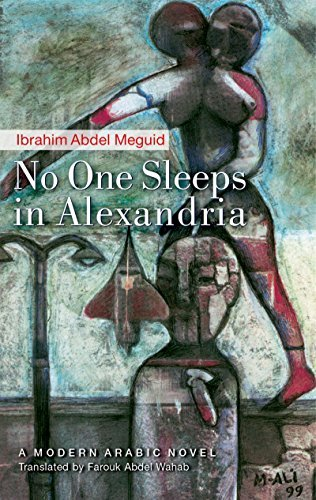
No One Sleeps in Alexandria by Ibrahim Abdel Meguid/ Farouk Abdel Wahab

                          War-Time Alexandria: Resilience, Identity, and Sanity


(An analysis of Ibrahim Abdel Meguid's No One Sleeps in Alexandria reveals it as a passionate yet unflattering, realistic portrayal of a great city caught in the wartime upheaval of World War II. The novel intertwines the lives of a diverse array of characters from across Egypt and beyond, sharing both joys and miseries, and contributing to the hybrid cultures that Alexandria is known for. By blending history with personal narratives, the novel crafts a poignant epic of humanity at the crossroads of violent shifts and cultural transformations.)

Fazal Rahman

Founded by Alexander the Great in 331 BC, Alexandria is one of the most historic cities in the Mediterranean. Located on the northern coast of Egypt, it served as a center of knowledge and culture in the ancient world. It was home to the famous Library of Alexandria and the Lighthouse of Pharos, one of the Seven Wonders of the Ancient World. Alongside Greek, Egyptian, and Roman influences, Alexandria later became a significant meeting place for Islamic culture. It excelled in science, philosophy, and art, and its strategic location established it as a hub for trade and maritime exchanges, connecting Africa, Europe, and Asia. A witness to the rise and fall of empires over the ages, the city remains a cradle of rich heritage, including Greco-Roman ruins, Coptic churches, and Islamic architecture. Merging historical grandeur with modernity, Alexandria is celebrated today for its literary and intellectual legacy, vibrant cultural scene, and its role as a bridge between past and present.

Alexandria also holds an important place in world literature, often depicted as a city of mystery, hedonism, and intellectual awakening. Its cosmopolitan character and rich history have inspired countless literary works, both ancient and modern. In the modern literary imagination, Alexandria was immortalized through Lawrence Durrell's Alexandria Quartet. In these works, Durrell captures the complexities Egypt and Alexandria faced between the two world wars. E.M. Forster’s Alexandria: A History and a Guide offers a snapshot of the city at the turn of the 20th century, blending history with personal observations. André Aciman's Out of Egypt reflects on the city’s cosmopolitanism and multicultural society, while the famous Greek poet Constantine Cavafy, in his layered and evocative poems, explores Alexandria’s timeless appeal as a meeting place of cultures. Additionally, the works of Arab writers such as Naguib Mahfouz, Edward al-Qarat, and Youssef Zeidan delve into its religious, philosophical, and cultural conflicts from non-Western perspectives. Through these literary works, Alexandria emerges as a symbol of cultural richness, fusion, and artistry that transcends borders.

Egyptian novelist Ibrahim Abdel Meguid further solidifies Alexandria's position in contemporary Arab literature as a historical and cultural hub. His Alexandria Trilogy—comprising No One Sleeps in Alexandria, Birds of Amber, and Clouds Over Alexandria—is particularly notable. In an interview with Mogha Hassib for Arab Lit Quarterly, Abdel Meguid described the inspiration behind the trilogy. After completing No One Sleeps in Alexandria, he reflected on three key historical phases that shaped the city. The first phase was marked by cosmopolitanism and secular tolerance, even during the turmoil of World War II. The second phase followed the Suez Canal crisis of 1956, when the departure of expatriates drastically altered the city’s global character. This shift was exacerbated by President Gamal Abdel Nasser's policies of nationalization and socialism. Having been born in 1946 and raised in Alexandria, Abdel Meguid witnessed the city’s transformation from a global society into a more insular Egyptian city.

The second part of the trilogy, Birds of Amber, captures this transitional stage, when memories of the old metropolis remained vivid. The third phase, depicted in Clouds Over Alexandria, reflects the impact of President Sadat’s alliance with Wahhabi and Salafi fundamentalism in the 1970s, which, according to Abdel Meguid, caused the city to lose both its global and Egyptian spirit, leaving it exposed to a "desert culture." Abdel Meguid considers Alexandria itself the protagonist of all three novels, which can each be read as standalone works.

The Mosaic of Human Relations

In No One Sleeps in Alexandria, set against the socio-political ravages of World War II, human relationships reflecting the complexities of love, faith, friendship, and loss endure despite conflicts, forming the foundation of the narrative. These relationships mirror the struggles and resilience of the city itself, interweaving personal connections with broader social themes.

At the heart of the novel is the profound friendship between Magd al-Din, a devout Muslim, and Dimyan, a Christian. Their bond transcends boundaries, serving as a microcosm of Alexandria’s diverse yet interconnected society. This relationship is not merely evidence of secular tolerance but represents a deep human connection rooted in shared experiences and mutual respect. A parallel to this is the warm bond between Zahra, a village woman bewildered by the unfamiliar city, and the elderly Sitt Mariam, the mother of Camila and Yvonne.

The novel’s backdrop is the troubled state of war, as Magd and Zahra move to the hybrid vastness of Alexandria, leaving behind the terrors of their farming village, plagued by a long history of vendetta that haunted the family. The human connections that withstand these conflicts sustain society in a web of interdependence. The city itself, depicted as a living entity, becomes both a setting and a refuge. Community relations during crises, such as airstrikes and resource scarcity, reveal not only the solidarity that emerges in adversity but also Alexandria’s role as a physical and emotional sanctuary.

The relationship between Rushdie and Camila embodies youthful, idealized love that defies social and religious constraints. Marked by moments of intense beauty as well as challenges, their love symbolizes a romantic idealism. Camila’s ultimate decision to join a convent reflects the weight of societal expectations. However, her choice represents not despair but a search for peace beyond the physical, while Rushdie finds solace through poetry and creativity. He would pursue his passion for French language and literature, befitting the polyglot city that was Alexandria.

Dimyan’s irresistible attraction to Bikri, a mysterious Bedouin girl, inversely mirrors the Rushdie-Camila dynamic of a Muslim boy and Christian girl. Dimyan struggles with his uncontrollable passion for a girl not even his daughter’s age. He consoles himself with a fatalistic belief that losing her is his predestined pain. Bikri, who came from god-knows-where and vanishes in the same fashion, is a symbol of mystery and otherness and represents the allure of the unknown. This relationship further explores the novel’s central themes of love and cultural boundaries.

Another deterministic tragedy in the novel is Bahi’s life and his tumultuous relationships. According to his doting mother, Bahiya, he was born with a halo, burdened from birth with the fate of becoming an irresistible temptation to women, akin to the Biblical Joseph. This predestined allure sowed the seeds of vendetta that embroiled the male descendants of two dominant village families. Only three survived the violence: one member from each family, who were hafids (those who knew the Quran by rote), and Bahi himself, spared because he was not man enough for vengeance. Magd al-Din, Bahi’s elder brother, describes him as a victim of his unchangeable fate, comparing him to Job. “Some people have been preordained to endure great pain. Job was one, and now Bahi.” Bahi’s tragic allure left women devastated. The most enigmatic of these is Vageeda, an aristocrat who followed him anonymously for over a decade, ultimately dying a vagabond at his grave in Alexandria. Her story epitomizes the heartbreak surrounding Bahi, whose grave is famously haunted by women, prompting the cemetery keeper to remark, “This is the first deceased whose relatives are all women.”

Magd al-Din and Zahra are compelled to leave their village and seek refuge with Bahi in Alexandria due to the mayor’s machinations. Exploiting the terror about the re-eruption of the vendetta, the mayor seizes their property. In contrast to the turbulent relationships depicted throughout the novel, the bond between Magd and Zahra offers a story of mutual trust and stability that transcends time and space. While Rushdie and Camila’s passionate yet tumultuous love reflects the idealism and rebellion of youth, Magd and Zahra’s relationship embodies traditional values of patience and tolerance. Their resilience mirrors Alexandria’s endurance, and the city awakens to serenity after the war’s horrors: "Alexandria became a city of silver with veins of gold."

However, the novel does not shy away from depicting the misogyny that mars human relationships, particularly in its portrayal of rural life. From unprovoked brutal acts of atrocities and mutilation carried out as part of tribal behavior of asserting male supremacy in the most violent ways, these include ridiculous honor-killings based on flimsy rumors. In one such case, a beautiful, innocent young wife is beaten to death, simply because a neighbor, frustrated by her rejection, opted to spread stories of her infidelity. Her husband didn’t even consider giving her an opportunity of explanation. Even Alexandria, despite its progressive facade, is not free from misogyny. The Mahmoudia Canal bears grim testimony of pervasive violence against the vulnerable. We read that the bodies floating in the Canal are always those of women and children.  

Colonization and Cultural Hybridity

The forces of colonization and cultural hybridity play a decisive role in shaping the dynamics of relationships in No One Sleeps in Alexandria. As a city historically moulded by diverse influences, Alexandria became a true melting pot during World War II. Soldiers, immigrants, and refugees from various countries converged upon its streets, adding to its already rich and layered cultural fabric. The lingering imprints of early French occupation and subsequent British rule are deeply woven into the city's identity, influencing the lives and interactions of its inhabitants.

Among the soldiers that Magd al-Din and Dimyan encounter, there are men from across the world, many hailing from colonized nations under harsh living conditions. These soldiers, mostly uneducated, face an uncertain fate as they march toward a war with no promise of return. Arguments, quarrels, and disputes are common, fuelled by racial, caste, religious, and other prejudices. Yet, amidst these tensions, the novel subtly highlights the possibility of cultural fusions, illustrating moments of shared humanity that transcend divides.

For Indian readers, several instances in the novel stand out for their resonance and historical relevance. Each chapter begins with a lyrical quotation, often from renowned authors, and Rabindranath Tagore’s verses are prominently featured. In a striking moment, the penultimate chapter, where Dimyan’s death unfolds, opens with a rare instance of death-wish lyrics in Tagore’s oeuvre, adding a poignant layer to the narrative. The novel also captures the global reverence for the figure of Mahatma Gandhi during this period. Through soldiers' discussions, allusions to Gandhi’s ideals and India’s independence movement emerge as recurring motifs. In one scene, when someone among the soldiers mentions the possibility of India’s Partition, a rationale is raised as to why they can’t focus on achieving independence first. Independence should definitely take precedence over divisions. Tensions arise when Orientalist stereotypes provoke confrontations between Indian soldiers and others, illustrating the simmering cultural and racial prejudices within the imperial war machine. However, these moments of friction are counterbalanced by profound admiration for Indian leaders, particularly Gandhi. Safi al-Naeem, a Sudanese soldier, eloquently extols Gandhi’s influence, declaring:
 “India is a large country… It has about three hundred million people. True, they have many religions, but they also have Gandhi… He’s the one who’s fighting the English. He’s fighting them without weapons. He tells the Indians to fast, and they all fast, to stop dealing with the English, and they all stop, not to trade with them, and they all refrain, to stand on one foot for a whole month, and they do. They are like one strong man. Gandhi doesn’t have any army, but he has a whole people.”

This admiration, though exaggerated in its poetic over-readings, underscores the interconnectedness of global anti-colonial struggles. The presence of Indian soldiers and references to Indian politics and the freedom movement lend a unique dimension to the novel's exploration of cultural hybridity. These moments further establish Alexandria as a crossroads of civilizations, where ideas and cultures mix dynamically while retaining their distinct identities.

The novel delves deeply into how Egypt, and particularly Alexandria, negotiated the complexities of colonial rule. The war introduced new cultural confrontations, intensifying tensions among the city’s inhabitants. Alexandria was the battleground for rival colonial powers, especially Italy and Britain, each vying for supremacy over the Mediterranean’s most vital port.

Against this turbulent backdrop, the resilience and adaptability of Alexandria’s people emerge as central themes. The novel celebrates their ability to endure and thrive amidst external pressures and internal strife. This resilience is the enduring value that the author upholds in this opening installment of the Alexandria Trilogy.

Confluence of Modernist Narrative Techniques and the Historical Novel

The structure, themes, and stylistic choices of No One Sleeps in Alexandria blend modernist literary practices with the enduring elements of the historical novel. This fusion allows the narrative to intertwine personal stories with historical traumas, offering a profound observation of wartime Alexandria. The aesthetics of modernism—fragmented narrative, psychological depth, and a complex interplay between individual and societal interactions—are evident throughout the novel.

Rather than adhering to traditional linear storytelling, the polyphonic narrative creates a mosaic of characters, reflecting the systemic disintegration and turmoil of wartime Alexandria. By rejecting the singular authorial voice characteristic of classical novels, the narrative embraces pluralism, denying the notion of a singular truth and instead amplifying the voices of the marginalized. Despite being anchored in a specific historical period, the interweaving of past and present underscores the narrative significance of time and memory.

The novel explores the disruption of lives by the pull of tradition, accelerated by the forces of colonial modernity, as well as the political, economic, and cultural conflicts exacerbated by colonial rule. It juxtaposes personal lives with the larger forces of history, exemplifying the interplay between the personal and the historical. The psychological approach the author adopts delves into the internal worlds of characters experiencing emotional and spiritual turmoil, often conveyed through internal monologues—a hallmark of modernist classics.

The existential conflicts faced by the protagonists—Bahi’s fatal charm and Dimyan’s impossible desire—are emblematic of the crises of modernity. These struggles generate despair and futility, threatening the characters’ very existence. These existential undercurrents align the novel with modernist literature, as does its portrayal of alienation. Whether among the soldiers, immigrants, and refugees who flock to wartime Alexandria or the city’s restless residents on the verge of displacement, all grapple with the sense of alienation brought on by colonial domination and subsequent identity crises.

Furthermore, the novel critiques ‘Grand Narratives’ like colonialism, nationalism, and religion, situating itself firmly within the modernist tradition. The poetic imagery interwoven throughout the narrative transcends its romantic tone to reveal hidden truths about larger narratives. For instance, when the author writes, “The boats sailed or steamed into the canal on top of two hundred thousand life stories, maybe more,” it alludes to the silenced tragedies of laborers who perished during the construction of the Mahmoudiya Canal. History says that its construction started at the beginning of 19th century on orders of Viceroy Muhammad Ali and that is what awakened the city from centuries of indolence and led it to prosperity. The novelist is reminding us that there is also a silent history of countless helpless people buried in its making, and, for that matter, any other urban culture. Thus, the novel pays tribute to the countless lives sacrificed in its making, thereby emphasizing the untold costs of urban culture.

Magd’s emotional denial of Dimyan’s death, as he witnesses his friend consumed by fire during a bombing, is heightened through evocative metaphors that elevate Dimyan’s suffering to a Christ-like realm. Magd reflects, “Dimyan did not die; he was not burned. God had lifted him up to heaven, and he had seen him, otherwise who was ascending on the golden horse, moving away into space from the fire of the dragon?” This moment, laden with religious and mythical imagery, encapsulates the novel’s blending of personal grief with universal suffering. Also, it lends utmost dignity to the otherwise meaningless death of a simple ordinary war-victim who would never make it into ‘grand narratives’ per se.

The influence of religious traditions such as the Bible and the Qur’an is evident in the novel’s metaphors and imagery. The author’s language, often highly evocative and poignant, touches upon both the legacies and misfortunes of Alexandria, offering a lyrical homage to the city.

The meticulous depiction of Alexandria, capturing the daily lives of its poorest inhabitants alongside its historical and global dimensions, speaks to the extensive research underpinning the narrative. It vividly recounts events from Europe and the Eastern Front during the war, as well as battles in the desert to prevent Alexandria’s fall to Rommel. However, the novel does not merely chronicle major historical events; it also sheds light on seemingly minor occurrences overlooked by official histories, such as the struggles of migrant farmers and laborers.

That said, some aspects of the novel have been critiqued for potential anachronisms. For example, one Amazon reader review notes that migrant farmers from northern Egypt during the story’s period (1938–1942) might have referred to desert dwellers as ‘Arabs’ rather than ‘Bedouins.’ Such critiques, however, do little to detract from the novel’s broader achievements. Ultimately, No One Sleeps in Alexandria stands as a eulogy to Alexandria itself. Loving, emotional, and quintessentially Egyptian, it serves as a biography of the city, immortalizing its essence amidst the sweeping currents of history and modernity.

Sources:

  1. Mohga Hassib & Ibrahim Abdelmeguid. ‘Ibrahim Abdelmeguid: ‘The Hero Is the City’, Arab Litt & ArabLitt Quarterly, January 31, 2014, https://arablit.org/2014/01/31/ibrahim-abdelmeguid-the-hero-is-the-city/
  2. Abdel-Messih, M.-T. (2005). Alternatives to Modernism in Contemporary Egyptian Fiction: Ibrahim Abdel-Maguid’s No One Sleeps in Alexandria. International Fiction Review32(1). Retrieved from https://journals.lib.unb.ca/index.php/IFR/article/view/7799
  3. Reader Review in Amazon page: Adel Darwish, ‘Love, Death, Friendship and war that brings Alexandira's character to life’, Reviewed in the United Kingdom on 18 February 2019
  4. Nourhan Ashraf Muhammad. ‘''Comparing Lawrence Durrell's Portrayal of the City as a Character in Justine to Ibrahim Abdel Meguid's in No One Sleeps in Alexandria'', 16.04.2018. Comparative Literature Course paper Dept of English Literature, Cairo University

Friday, March 7, 2025

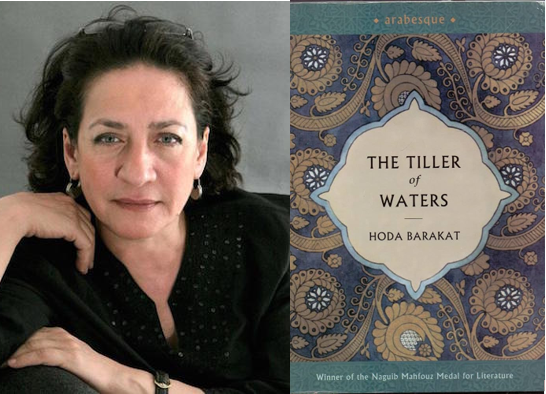
The Tiller of Waters by Hoda Barakat/ Marilyn Booth

 ഹുദാ ബറകാത് വരയ്ക്കുന്ന ശ്വാനദിനങ്ങള്‍


ലബനോനിലെ മാരോനൈറ്റ് ക്രിസ്ത്യന്‍ പട്ടണമായ ബഷാരെയില്‍ ജനിച്ചു വളര്‍ന്ന ഹുദ ബരകാത് (ജനനം: 1952), ആഭ്യന്തര യുദ്ധം പൊട്ടിപ്പുറപ്പെട്ട 1975ല്‍ പാരീസില്‍ ഗവേഷണ പഠനത്തിലായിരുന്നുവെങ്കിലും സംഘര്‍ഷത്തിന്റെ പശ്ചാത്തലത്തില്‍ അതവസാനിപ്പിച്ചു നാട്ടിലേക്ക് തിരിച്ചു വരികയായിരുന്നു. സംഘര്‍ഷത്തിന്റെ മുഴുവന്‍ കാലവും നാട്ടില്‍ത്തന്നെ കഴിച്ചുകൂട്ടിയ ഘട്ടത്തിലാണ് അവര്‍ തന്റെ കൃതികളെല്ലാം എഴുതിയത്. പാര്‍ട്ടിയോ ദേശീയ പശ്ചാത്തലമോ നോക്കാതെ മാനുഷിക ദുരിതങ്ങളെയും അടിച്ചമര്‍ത്തലിനെയും കുറിച്ചു സത്യം പറയുന്നതില്‍ ഊന്നുക എന്നതാണ് ബുദ്ധിജീവികളുടെ കടമ എന്ന എഡ് വാര്‍ഡ്‌ സൈദിന്റെ നിലപാടാണ് ഹുദാ ബറകാതിന്റെ എഴുത്തിന്റെ നാഴികക്കല്ലെന്നും അവര്‍ തന്നെത്തന്നെയും തന്റെ കഥാപാത്രത്തെയും ബോധപൂര്‍വ്വം അന്യവല്‍ക്കരിക്കുകയും അതുവഴി ഭൂതകാലത്തിലേക്ക് ഊളിയിടുകയും പാര്‍ശ്വവല്‍ക്കരിക്കപ്പെട്ട സ്വത്വത്തെ സൂക്ഷ്മപഠനത്തിനു വിധേയമാക്കുന്നു ചെയ്യുന്നു എന്നും ഫാത് മ താഹര്‍ നിരീക്ഷിക്കുന്നു (1). 1975ല്‍ പൊട്ടിപ്പുറപ്പെട്ട ലബനീസ് ആഭ്യന്തര യുദ്ധം പതിനാല് വര്‍ഷം നീണ്ടുനില്‍ക്കുകയും ഒരു ലക്ഷത്തോളം പേരെ കൊന്നൊടുക്കുകയും ചെയ്തു. യുദ്ധത്തിന്റെ ഭീകര നിമിഷങ്ങളേയും അതുണ്ടാക്കിയ മനശാസ്ത്രപരമായ ആഘാതങ്ങളെയും ചരിത്രപരവും സാമൂഹികവും നരവംശ ശാസ്ത്രപരവും ജീവശാസ്ത്രപരവുമായ വീക്ഷണങ്ങളില്‍ ഒട്ടേറെ എഴുത്തുകാര്‍ അവതരിപ്പിച്ചു. ഇത്തരം സാഹചര്യത്തില്‍ എഴുത്ത് ബുദ്ധിജീവികളുടെ ചെറുത്തുനില്‍പ്പു രൂപമായിത്തീരുന്നതിന്റെ ശക്തമായ മാതൃകയാണ് ഹുദാ ബറകാതിന്റെ രചനാലോകം. അവര്‍ വ്യക്തിയുടെ വിധിയെ പുരുഷാധികാര ധാരണകളിലും വൈരുധ്യങ്ങളിലും രൂഢമായ സമൂഹിക ഭാഗധേയത്തിന്റെ അവിഭാജ്യ ഘടകമായി ആവിഷ്കരിക്കുന്നു; യുദ്ധം ആ ധാരണകളുടെ നികൃഷ്ട വശങ്ങളെ പുറത്തുകൊണ്ടുവന്നു. “അവരുടെ കൃതികള്‍ യുദ്ധത്തെ, തുടര്‍ന്നുണ്ടായ നശീകരണത്തെ, ജനജീവിതത്തില്‍ അതുണ്ടാക്കിയ മാറ്റങ്ങളെ നിശിതമായും സമഗ്രമായും  പ്രതിഫലിപ്പിക്കുന്നു” (Fatma H. Taher).

ബറകാതിന്റെ നിലപാടുകളുടെ കൃത്യമായ ആവിഷ്കാരം കാണാനാകുന്ന കൃതിയാണ് 2001ല്‍ പുറത്തിറങ്ങിയ The Tiller of Waters. ആഭ്യന്തര സംഘര്‍ഷത്തിലെ ബോംബിങ്ങില്‍ തകര്‍ന്ന ബൈറൂത്ത്, ബാക്കിയായ ദേശവാസികളെല്ലാം പലായനം ചെയ്തതിനെ തുടര്‍ന്നു വിജനമായിരിക്കുന്നു. ഓര്‍മ്മകള്‍ ഇടമുറിയുകയും ഒളിച്ചു കളിക്കുകയും ചെയ്യുന്ന നിഖുല മിത്രിയെന്ന അമ്പതിലെത്തിയ വസ്ത്ര വ്യാപാരി തെരുവുകളില്‍ പിന്തുടരുന്നത് പൊയ്പ്പോയ ജീവിതങ്ങള്‍ മാത്രമല്ല, സ്വന്തം ഓര്‍മ്മകളെ കൂടിയാണ്. ഏതുനിമിഷവും ഉടലില്‍ തുളഞ്ഞിറങ്ങിയേക്കാവുന്ന വെടിയുണ്ടകളുടെ ശബ്ദം കേള്‍ക്കാം അയാള്‍ക്ക്. സംഘര്‍ഷം പൊട്ടിപ്പുറപ്പെട്ട ഘട്ടത്തില്‍ കുടുംബ സുഹൃത്തിന്റെ വീട്ടിലായിരുന്ന നിഖുല തിരിച്ചെത്തുമ്പോഴേക്കും അഭയാര്‍ഥികള്‍ വീടു കയ്യടക്കിയത് മൂലം ഇപ്പോള്‍ അയാളുടെ അഭയസ്ഥാനം, മുമ്പ് തന്റെ പിതാവിന്റെ സമ്പാദ്യമായ വസ്ത്ര വ്യാപാര സ്ഥാപനത്തിന്റെ ഗോ ഡൌണ്‍ ആയിരുന്ന, മനോഹര തുണിത്തരങ്ങള്‍ നിറഞ്ഞ നിലവറയാണ്. അവിടെ അയാള്‍ വൈവിധ്യത്തിന്റെയും വര്‍ണ്ണ രാജികളുടെയും ആഢംബരത്തില്‍ സന്തുഷ്ടനാണ്. പുറത്തിറങ്ങുമ്പോള്‍ തെരുവുകള്‍ കീഴടക്കിയ നായ്ക്കളുടെ കൂട്ടം ഭീഷണ സാന്നിധ്യമായി അവിടെയുണ്ട്. സ്വന്തം മൂത്രം കൊണ്ട് സംരക്ഷണ വലയം തീര്‍ത്തു അയാള്‍ രക്ഷ തേടുന്നു. സുദീര്‍ഘവും ഗഹനവുമായ ആഖ്യാനങ്ങളിലൂടെ തന്റെ മാതാപിതാക്കളുടെയും പ്രണയിനിയായിരുന്ന കുര്‍ദിഷ് പരിചാരിക ഷംസയുടെയും കഥകളോടൊപ്പം തുണിത്തരങ്ങളുടെയും നൂല്‍നൂല്‍പ്പിന്റെയും ഉത്ഭവ, വികാസ ചരിത്രവും അയാള്‍ ആവിഷ്കരിക്കുന്നു. ബൈസന്റൈന്‍, ഓട്ടോമന്‍, പേര്‍ഷ്യന്‍, ഇന്ത്യന്‍ ചരിത്രങ്ങളും സാംസ്കാരിക സ്മൃതികളും നിറയുന്ന ഇത്തരം ദീര്‍ഘാഖ്യാനങ്ങള്‍ പൊയ്പ്പോയ കാലത്തെയും എല്ലാം നഷ്ടപ്പെട്ട വര്‍ത്തമാനത്തെയും ഗൃഹാതുരതയുടെ അതിഭാവുകത്വമില്ലാത്ത ന്യൂനോക്തിയില്‍ വൈരുദ്ധ്യത്തില്‍ നിര്‍ത്തുന്നുണ്ട്. പുറത്തെ ചൂടും തണുപ്പും കാലുഷ്യങ്ങളും പ്രവേശനമില്ലാത്ത നിലവറയില്‍ വൃത്തിയും പുതുമയുടെ ഗന്ധവുമുള്ള തുണിത്തരങ്ങളില്‍ പുതച്ചും അവയുടെ ഗന്ധം ശ്വസിച്ചും കഴിയുന്ന കഥാപാത്രം ഒരര്‍ത്ഥത്തില്‍ ആദിപിതാവിന്റെ ഏകാന്തതയും സ്വച്ഛതയും അനുഭവിക്കുന്നുണ്ട്. തന്റെതായ ഒരു സുരക്ഷിത ഇടം (haven/ retreat) ഉണ്ടാക്കിയെടുക്കുകയാണ് അയാള്‍: ഹെമിംഗ് വേയുടെ യുദ്ധമുറിവേറ്റ (war-wound) കഥാനായകന്മാരെ പോലെ ഇത്തരം ‘പിന്മടക്ക’ത്തിനു സാഹിത്യത്തില്‍ ഒട്ടേറെ മാതൃകകള്‍ ഉണ്ട്. അതുപക്ഷേ ആത്യന്തികമായി അവരെയാരെയും രക്ഷിക്കുകയില്ല; ആന്‍ ഫ്രാങ്കിന്റെ മച്ചുംപുറം (attic) പോലെ ദേശവിധിയുടെ ബലിക്കല്ല് അവരെ തേടിയെത്തുന്നതിനിടയിലെ ഇടവേളകള്‍ മാത്രാകാം അത്. നിഖുലയുടെ വിധിയും വ്യത്യസ്തമല്ല. യുദ്ധം പട്ടണത്തിന്റെ ബാഹ്യഭൂമിക മുഴുവന്‍ തകര്‍ത്തുകളയുമ്പോള്‍ അയാള്‍ തന്റെ പട്ടണത്തിന്റെ ചരിത്രം കഥകളിലൂടെ പുനസൃഷ്ടിക്കുന്നു. എന്നാല്‍ കഥകള്‍ പറഞ്ഞുതീരും മുമ്പ് ഏതുരൂപത്തിലെന്നു തീര്‍ച്ചയില്ലാതെ അതേ തെരുവുകളില്‍ അയാള്‍ കൊല്ലപ്പെടുന്നു; തന്റെ മരണം എങ്ങനെ സംഭവിച്ചുവെന്ന ചോദ്യമായി അയാളുടെ സ്വരം തന്റെ പിതാവിന് നേരെ ഉയരുന്നു, അത് തെരുവുകളുടെ നശീകരണ ബഹളങ്ങളില്‍ മുങ്ങിപ്പോവുന്നു: “പിതാവേ, ആരാണ് എന്നെ കൊന്നത്? ആരാണ് എന്നെ കൊന്നത്? കാരണം ഞാന്‍ സ്വാഭാവിക മരണത്തിലല്ല ഇല്ലാതായത്” (P.173). അയാള്‍ എല്ലാ സാധ്യതകളും പരിഗണിച്ചു തള്ളിക്കളയുന്നു: അത് വിഷം കഴിച്ചയിരുന്നില്ല. മരണത്തിന്റെ മാലാഖയെ നേരിടാന്‍ തയ്യാറെടുത്തിട്ടായിരുന്നില്ല. ബുള്ളറ്റ്, കുഴിബോംബ്, പടയാളികള്‍, അങ്ങനെ എല്ലാസാധ്യതകളും അയാള്‍ സന്ദേഹിക്കുന്നു. ഇടയ്ക്കിടെ എന്റെ മഞ്ഞളിച്ചു പോയ കണ്ണുകള്‍ ഇഷ്ടിക പതിച്ച വിശാല വഴിയാകെ പ്രശാന്തമായ ജലപാളികളില്‍ മൂടിപ്പോകുന്നത് കാണുന്നു, അതുകൊണ്ട് എനിക്ക് ആകാശവും തിളക്കമാര്‍ന്ന സെപ്തംബര്‍ ചന്ദ്രനും അതില്‍ പ്രതിഫലിക്കുന്നത് കാണാം. ആ കാഴ്ച എന്റെ കസേരയില്‍ നിന്നെഴുന്നെല്‍ക്കാനും എല്ലാ ദിശകളിലേക്കും ഓടാനും എന്നില്‍ ആഗ്രഹാമുണ്ടാക്കുന്നു. അതിനെ നന്നായി ഉഴാന്‍. അപ്പോള്‍ ഞാന്‍ എന്നോട് തന്നെ ചോദിക്കുന്നു, ഞാനെന്തിനു അതിലേക്കു തിരികെ പോകാന്‍ ആഗ്രഹിക്കണം!. ഞെനെന്റെ ജീവിതം മുഴുവന്‍ ജലത്തില്‍ ഉഴുതുകൊണ്ടല്ലേ ചെലവഴിച്ചത്‌? അതല്ലേ, താത, നാം ഇപ്പോഴും ചെയ്തുകൊണ്ടിരുന്നത്?” ജീവിതത്തിന്റെ ആത്യന്തിക നിരര്‍ത്ഥകതയില്‍ ചെന്നു തൊടുന്ന ഈ അസ്തിത്വ സമസ്യയിലാണ് നോവല്‍ അവസാനിക്കുന്നത്. എന്നാല്‍, ഇത് ചോദിക്കുന്നയാള്‍ ജീവിതത്തിനും മരണത്തിനും ഇടയില്‍ കുരുങ്ങിക്കിടപ്പല്ല എന്നതും ഇപ്പോള്‍ അയാളെ മഥിക്കുന്ന ചോദ്യം താനെങ്ങനെ മരിച്ചു എന്നതുമാണ്‌ എന്ന് കാണുമ്പോള്‍ വായനക്കാരില്‍ ഒരു നടുക്കം സാധ്യമാണ്: അഥവാ, നാം കേട്ടുകൊണ്ടിരുന്ന ആഖ്യാനം നടത്തുന്നയാള്‍ ജീവിച്ചിരിക്കുന്നവരുടെയോ മരിച്ചവരുടെയോ ഏതു ലോകത്തായിരുന്നു എന്നൊരു സംത്രാസം നോവലന്ത്യത്തില്‍ സംഗതമാണ്.  

തുണിത്തരങ്ങളുടെയും നൂലുകളുടെയും സില്‍ക്കിന്റെയും പഠനം അയാള്‍ക്ക് ഒരു ആദിമ സ്മൃതിയുടെ പുനര്‍നിര്‍മ്മിതി കൂടിയാണ്: “വസ്ത്രങ്ങളുടെ കെട്ടുകളും മുറുകിയ ബോള്‍ട്ടുകളും അവയുടെ സ്പൂളുകളില്‍ അഴിച്ചെടുത്തപ്പോള്‍ ഞാനെന്റെ ഭാവനയെ പ്രവര്‍ത്തന നിരതമാക്കി. വീട് ഫര്‍ണിഷ് ചെയ്യുന്നതില്‍ എന്നെ നയിക്കാന്‍ അദമ്യമായ ആനന്ദത്താല്‍ പ്രചോദിതമായ എന്റെ അഭിലാഷങ്ങളെ അനുവദിച്ചു” (P.40). ആഭ്യന്തര യുദ്ധം പ്രേതനഗരമാക്കിയ പട്ടണത്തില്‍ അയാള്‍ ആരുമായും സമ്പര്‍ക്കം ആഗ്രഹിച്ചില്ല. സ്വയം വരിച്ച അന്യവല്‍ക്കരണത്തിലൂടെ തിന്മകളുടെ ബാഹ്യലോകത്തെ അകറ്റി നിര്‍ത്തുന്ന കഥാപാത്രങ്ങള്‍ ആധുനിക സാഹിത്യത്തില്‍ ഒട്ടേറെയുണ്ട്. നോവലിലെ അതേ സാഹചര്യത്തില്‍, അതേ ബൈറൂത്തില്‍, സ്വന്തം വീട്ടില്‍ പുസ്തകങ്ങളുടെ ലോകത്ത് സ്വയം പരിമിതപ്പെടുത്തിക്കഴിയുന്ന ആലിയ സാലിഹ് എന്ന എഴുപത്തിരണ്ടുകാരിയാണ്‌ റാബിഹ് അലമെദ്ദീന്‍ രചിച്ച ‘An Unnecessary Woman’ എന്ന നോവലിലെ നായിക. അങ്കോളന്‍ ആഭ്യന്തര യുദ്ധത്തിന്റെ ഭീകര കാലത്ത് യുദ്ധത്തോടൊപ്പം തുറസ്സുകളോടുള്ള ഭയവും (agoraphobia) മൂലം ഇഷ്ടികകള്‍ കൊണ്ടു സ്വയം തീര്‍ത്ത കുടുസ്സിനുള്ളില്‍ മുപ്പതുകൊല്ലക്കാലം തന്നെത്തന്നെ അടക്കിയ ലുഡോ എന്ന സ്ത്രീയെ പിന്തുടരുന്ന ഹോസെ എദുവാര്‍ദോ അഗുവാലൂസയുടെ A General Theory of Oblivion മറ്റൊരു ഉദാഹരണമാണ്. യുദ്ധം നേരിട്ടവതരിപ്പിക്കുക എന്നത് ഈ എഴുത്തുകാര്‍ ആരും തങ്ങളുടെ ദൌത്യമായി കാണുന്നില്ല. നിഖുല പോരാളികളെയോ ഗുണ്ടകളെയോ അല്ല, തെരുവുകള്‍ കയ്യടക്കിയ ഭീഷണ പ്രകൃതത്തിലേക്ക് മാറിയ ശ്വാന സംഘത്തെയാണ് കാണുന്നത്. അവയും അവയുടെ സ്വത്വം മറക്കുകയും ചെന്നയ്ക്കളായി രൂപം മാറുകയും ചെയ്തിരിക്കുന്നു. “അവ ചെന്നയ്ക്കളാണ്, ഞാന്‍ എന്നോട് തന്നെ പറഞ്ഞു, അവ കടിപിടിയില്‍ കൊല്ലപ്പെട്ട അവയുടെ കൂട്ടത്തില്‍ പെട്ട ഒന്നിന്റെ ഉടല്‍ തന്നെയാകും പിച്ചിച്ചീന്തുന്നത് എന്ന ധാരണയില്‍. എന്നാല്‍ ഉരുണ്ടു പോയ, എന്റെ നേരെ വന്ന തല ഒരു ശ്വാനന്റെത് ആയിരുന്നില്ല. അതൊരു മനുഷ്യന്റെത് ആയിരുന്നു” (P.50). ഈ ഭാഗം ക്രിസ് അബാനിയുടെ Song for Night എന്ന നോവെല്ലയില്‍ യുദ്ധം നരഭോജികളാക്കിയ സ്ത്രീകളുടെ നടുക്കുന്ന രംഗത്തെ ഓര്‍മ്മിപ്പിക്കുന്നുണ്ട്; ഒപ്പം, വനാതിരുകളില്‍ ചിതറിക്കിടന്ന കൊല്ലപ്പെട്ട സിവിലിയന്മാരുടെ ഉടലുകള്‍ തിന്നുശീലിക്കുകയും മനുഷ്യരും മൃഗങ്ങളും തമ്മിലുള്ള സനാതന ഉടമ്പടി ലംഘിക്കുകയും നരഭോജികള്‍ ആയിത്തീരുകയും ചെയ്യുന്ന സിംഹങ്ങളെ കുറിച്ചു Confessions of the Lioness എന്ന നോവലില്‍ മൊസാംബിക്കന്‍ നോവലിസ്റ്റ് മിയാ കൂട്ടോ നടത്തുന്ന നിരീക്ഷണങ്ങളെയും.  എന്നാല്‍ ഒരു ഘട്ടത്തില്‍ നിഖുല കണ്ടെത്തുന്നുണ്ട്, യജമാന്മാരെ നഷ്‌ടമായ ശ്വാനന്‍ തന്നില്‍ ഒരു പുതിയ യജമാനനെ തേടുകയായിരുന്നു എന്ന്.   

നിഖുലയുടെ കഥയ്ക്കും സില്‍ക്ക് വസ്ത്രത്തിന്റെ കഥയും എന്നതിനൊപ്പം സമാന്തരമായി നോവലില്‍ വികസിക്കുന്ന മറ്റൊരു സുപ്രധാന കഥ ഷംസയുടെതാണ്. കുര്‍ദ് ചരിത്രത്തിലെ ചതികളുടെയും വഞ്ചനകളുടെയും കഥകള്‍ ഷംസയുടെ വാക്കുകളില്‍ നോവലില്‍ ആവിഷ്കരിക്കപ്പെടുന്നുണ്ട്. സുദീര്‍ഘമായ തുര്‍ക്ക് – കുര്‍ദ് സംഘര്‍ഷങ്ങള്‍, അതാ തുര്‍ക്കിന്റെയും കേണല്‍ ബില്ലിന്റെ കീഴിലുള്ള ഇംഗ്ലീഷുകാരുടെയും മാറിമാറിയുള്ള ചതികളുടെയും കുര്‍ദ് കൂട്ടക്കുരുതികളുടെയും പലായനങ്ങളുടെയും കഥ അവളുടെ ഓര്‍മ്മകളില്‍ സ്വന്തം പിതൃ പരമ്പരയുടെ ദുരന്തങ്ങളായി പതിഞ്ഞു കിടപ്പുണ്ട്. അതിനുമപ്പുറം, കുര്‍ദുകളുടെ ഉത്ഭവത്തെ കുറിച്ച് നോവലില്‍ വിവരിക്കപ്പെടുന്ന മിത്ത് സുലൈമാന്‍ രാജാവിന്റെ (സുലൈമാന്‍ നബി) `കഥയുമായി ബന്ധപ്പെട്ടു നോവലില്‍ വിവരിക്കപ്പെടുന്നുണ്ട്. നോട്ടത്തില്‍ തന്നെ ഒരു സ്ത്രീയെ മുച്ചൂടും അറിയാനുള്ള സിദ്ധിയുണ്ടായിരുന്ന സോളമന്‍ രാജാവിന് തദ്ഫലമായി ബാധിച്ച വിരക്തി മറികടക്കാനായി പടിഞ്ഞാറു നിന്നും കൊണ്ടുവരപ്പെട്ട എല്ലാം തികഞ്ഞ നാനൂറു കന്യകമാരില്‍ ആ കഥ തുടങ്ങുന്നു. സുന്ദരിമാരില്‍ ആകൃഷ്ടരായ നാനൂറു ജിന്നുകള്‍ അവരുടെ വഴിതടയാന്‍ അനുവദിക്കണമെന്നു ജിന്നു രാജാവ് ജസാദിനോട് അഭ്യര്‍ഥിച്ചു. സോളമന്‍ രാജാവിനു ദൈവം നല്‍കിയ സിദ്ധികളില്‍ അസൂയാലുവായ ജിന്നു രാജന്‍ ആവശ്യത്തില്‍ കൂടുതല്‍ അനുവദിക്കുകയും അതെ തുടര്‍ന്ന് സുന്ദരന്മാരായ രാജകുമാരന്മാരായി വേഷം മാറിയ ജിന്നുകള്‍ അതിമനോഹരമായ വേഷ ഭൂഷകളോടും മനംമയക്കുന്ന ഗീതങ്ങളുമായി കന്യകമാരെ വശീകരിക്കുകയും രാത്രി അവരോടൊപ്പം കഴിയുകയും ചെയ്തു. പിറ്റേന്ന് പുലര്‍ച്ചെ മരുഭൂമിയില്‍ സ്വയം നഗ്നരായി കണ്ടെത്തിയ നാനൂറു സുന്ദരികള്‍ കന്യകമാര്‍ അല്ലാതായിക്കഴിഞ്ഞിരുന്നതുകൊണ്ട് സോളമന്‍ രാജാവ് അവരെ തള്ളിക്കളഞ്ഞു – ‘കറാദ’ (karada) എന്ന പദം തള്ളിക്കലയലിനെ സൂചിപ്പിച്ചു, ‘കുര്‍ദ് എന്നാല്‍ തള്ളിക്കളയപ്പെട്ടവര്‍ എന്നും. എന്നാല്‍, ഇതിനു വിപരീതമായി മറ്റൊരു വ്യാഖ്യാനവും ഷംസ മുന്നോട്ടു വെക്കുന്നു. കുര്‍ദിഷ് ഭാഷയില്‍ ‘ധീരനായ വീരന്‍ എന്നാണ് ‘കുര്‍ദ് എന്ന പദം അര്‍ത്ഥമാക്കുന്നത്. ‘ചെന്നായ എന്നോ ‘കാട്ടു പൂച്ച എന്നോ അര്‍ഥം വരുന്ന ‘കര്‍ഘ് (‘kargh’) ആവാം അതിന്റെ പദമൂലം എന്നും അവള്‍ അഭിപ്രായപ്പെടുന്നു. എന്തായാലും, നിഖുലയുടെ ജീവിതത്തിനു അര്‍ത്ഥവും നിറവും ജീവിതാശയും പകര്‍ന്നവളായിരുന്നു ഷംസ: “ഷംസ, വളരെ കുറച്ചു ജനാലകള്‍ മാത്രമുണ്ടായിരുന്ന, അവ തന്നെയും ഭദ്രമായി അടക്കപ്പെട്ട നിലയിലായിരുന്ന എന്റെ ജീവിതത്തെ പ്രകാശമാനമാക്കിയവള്‍” (P.42) എന്നു അയാള്‍ നിരീക്ഷിക്കുന്നുണ്ട്.   

ഗാര്‍ഹിക വേലക്കാരായ വിദേശി കുടിയേറ്റക്കാരുടെ ജീവിതാവസ്ഥകള്‍ മിഡില്‍ ഈസ്റ്റ് സാഹിത്യത്തില്‍ അടയാളപ്പെടുത്തപ്പെടുന്നതില്‍ ഹുദാ ബരകാത് ശ്രദ്ധേയമായ സംഭാവന നല്‍കിയിട്ടുണ്ട് എന്ന് നിരീക്ഷിക്കപ്പെടുന്നു (2). ലബനീസ് സംഘര്‍ഷങ്ങള്‍ ആഖ്യാനം ചെയ്യുന്ന എഴുത്തുകാരില്‍ മിക്കയാളുകളും ‘ദേശത്തിന്റെ ആഭ്യന്തര വിഭജനങ്ങളും ലബനന്‍കാരുടെയും പലസ്തീനികളുടെയും മേല്‍ യുദ്ധ ഭീകരതയുടെ ഫലങ്ങളും’ അവതരിപ്പിക്കുകയും ‘ഔദ്യോഗികമായി രാജ്യത്തിന്റെ ഭാഗമല്ലാത്ത ന്യൂനപക്ഷങ്ങളെ അവഗണിക്കുകയും ചെയ്തപ്പോള്‍ ബരകാത് തന്റെ കൃതികളില്‍ സാങ്കേതികമായി മാത്രം ‘അന്യരായ ഈ വിഭാഗത്തില്‍ ശ്രദ്ധയൂന്നുന്നുണ്ട്. നാല് മില്ല്യന്‍ മാത്രം ജനസംഖ്യയുള്ള നാട്ടില്‍ ഒന്നര ലക്ഷം കുടിയേറ്റ ഗാര്‍ഹിക വേലക്കാരികളുണ്ടായിരുന്നു. കുടുംബാന്തരീക്ഷത്തില്‍ അസംതൃപ്തനായ ഒരംഗം അവളുമായി പ്രത്യേക ബന്ധം സ്ഥാപിക്കുക എന്ന ഇതിവൃത്ത ഘടകത്തിലൂടെ കഥയെ ഗൃഹ കേന്ദ്രിത നാടകീയതകളുടെ ഇടമാക്കി പരിവര്‍ത്തിപ്പിക്കാനും രാഷ്ട്രീയ അന്തര്‍ നാടകങ്ങകങ്ങളെ ഒട്ടൊന്നു പശ്ചാത്തലത്തിലേക്ക് ഒതുക്കാനും ഒപ്പം ദേശീയാഖ്യാനങ്ങളില്‍ ഈ കുടിയേറ്റ ഗാര്‍ഹിക വേലക്കാരികളുടെ പങ്ക് എന്ന സമകാലിക മിഡില്‍ ഈസ്റ്റ് പ്രമേയത്തില്‍ സ്പര്‍ശിക്കാനും നോവലിസ്റ്റിനു കഴിയുന്നു. അമിതമായി ലാളിക്കപ്പെട്ട, അലസ ജീവിതം നയിക്കുന്ന അടുപ്പില്‍ തീപൂട്ടി ശീലമില്ലാത്ത അമ്മയുടെ രീതികളുമായി നേരെ എതിര്‍ ഭാവത്തിലാണ് കുഞ്ഞുന്നാളിലേ മധ്യവര്‍ഗ്ഗ ക്രിസ്ത്യന്‍ കുടുംബത്തില്‍ പരിചാരികയായി എത്തുന്ന ഷംസ അവതരിപ്പിക്കപ്പെടുന്നത്. തീരെ ചെറുപ്പമാണെങ്കിലും ശാരീരിക വശ്യതയുടെ ഭാഷയിലാണ് ഷംസയെ ആഖ്യാതാവ് അവതരിപ്പിക്കുന്നത്‌ എന്നതില്‍ ഗാര്‍ഹിക വേലക്കാരികളോടുള്ള സമീപനത്തിന്റെ പതിവുകള്‍ കാണാം. അവള്‍ ആദ്യം മമ്മയുടെയും പിന്നീട് നിഖുലയുടെയും ക്ഷമാശീലയായ ശ്രോതാവാണ്. സംഘര്‍ഷ ബാധിതമായ നഗരത്തില്‍, പുറത്തിറങ്ങാന്‍ കഴിയാത്ത ഡെക്കാമെറോണ്‍/ ഷെഹറെസാദ് സാഹചര്യത്തില്‍ അതൊരു വലിയ ഉത്തരവാദിത്തമാണ് താനും. എന്നാല്‍, തന്റെ ജനതയുടെ കഥ പോലുള്ള ആഖ്യാനത്തിലേക്ക് അവള്‍ സ്വയം കടക്കുന്നു; ആഖ്യാതാവിനോട് കഥകള്‍ പറയാന്‍ ആവശ്യപ്പെടുകയും ചെയ്യുന്നു. ഇളംപ്രായക്കാരിയായ തന്റെ ജീവന്റെ പ്രകാശത്തെ തന്നില്‍ ചേര്‍ത്തു നിര്‍ത്താന്‍ പാകത്തില്‍, അടുത്ത ദിനത്തിലും അവളുടെ സാമീപ്യം ഉറപ്പുവരുത്താന്‍ പാകത്തില്‍ കഥ പറച്ചില്‍ ക്രമപ്പെടുത്തുന്നതോടെ നിഖുല സ്വയം ഒരു ഷെഹറെസാദ് രൂപം ആയിത്തീരുന്നു.


എന്നാല്‍ ഷംസയിലൂടെ അവതരിപ്പിക്കപ്പെടുന്ന ഗാര്‍ഹിച്ച വേലക്കാരികളുടെ പ്രസക്തി എന്ന പ്രമേയ പരിചരണത്തില്‍ ഒട്ടേറെ പരിമിതികള്‍ നോവലില്‍ ഉണ്ടെന്നും ചൂണ്ടിക്കാണിക്കപ്പെടുന്നു: അഭ്യന്തര യുദ്ധാനന്തര ലബനോനില്‍ ഏറ്റവും കൂടുതല്‍ ഉണ്ടായിരുന്ന ശ്രീലങ്കന്‍/ എത്യോപ്യന്‍/ ഫിലിപ്പിന കുടിയേറ്റക്കാരികള്‍ക്കു പകരം കുര്‍ദിഷ് സിറിയന്‍ വേലക്കാരി എന്ന സങ്കല്‍പ്പനത്തില്‍ നിലയുറപ്പിക്കുന്നതിലൂടെ വര്‍ണ്ണ, ഭാഷാ വൈരുദ്ധ്യങ്ങളുടെ പ്രശ്നങ്ങള്‍ അവഗണിക്കപ്പെടുകയാണ് (Rebecca Dyer). തൊഴില്‍/ ശമ്പളം  സംബന്ധമായി ഷംസ നേരിട്ടിരിക്കാന്‍ ഇടയുള്ള പ്രയാസങ്ങളോ അമ്പതു പിന്നിട്ട നിഖുലയുമായി ശാരീരിക ബന്ധത്തിന് അവള്‍ തയ്യാറാകുന്നതിന്റെ പിന്നാമ്പുറങ്ങളോ സ്പര്‍ശിക്കപ്പെടാത്തത് തൊഴില്‍ തേടിയെത്തുന്നതിന്റെ അടിസ്ഥാന പരമായ ഉദ്ദേശവുമായി ഒത്തുപോകുന്നതല്ല; അഥവാ ആ തലം അവഗണിക്കപ്പെടുന്നതിലൂടെ, ഷംസക്ക് ആഖ്യാനത്തില്‍ കേന്ദ്ര സ്ഥാന തുല്യത നല്‍കുമ്പോഴും, ഫലത്തില്‍, നോവല്‍ കുടിയേറ്റ ഗാര്‍ഹിക വേലക്കാരിയെ ഭാഗികമായ മൌനം കൊണ്ട് തന്നെയാണ് അടയാളപ്പെടുത്തുന്നത് എന്ന് നിരീക്ഷിക്കാം. ഷംസ വിട്ടുപോയി എന്ന ഇരുട്ടില്‍ അവസാനിപ്പിക്കുന്ന അവളുടെ കഥ അപൂര്‍ണ്ണമാണ് എന്നതും ഇതോടു ചേര്‍ത്തു കാണാം. കുര്‍ദിഷ് വേലക്കാരിയെന്ന നിലയില്‍ അവളുടെ വീട് അടുത്താണ് എന്ന ചിന്ത ഒരു കുറ്റബോധ വിമോചനമായി നോവലിസ്റ്റിനെ/ ആഖ്യാതാവിനെ ആശ്വസിപ്പിക്കുന്നുണ്ടോ എന്ന് സന്ദേഹിക്കാം; അങ്ങകലെ എത്യോപ്യയിലോ ശ്രീലങ്കയിലോ ആയിരുന്നു തിരികെയെത്തേണ്ടിയിരുന്നതെങ്കില്‍ അവള്‍ക്കത് ദുസ്സാധ്യമാകുമായിരുന്നു. അതേസമയം, എഴുപതുകളില്‍ ശക്തമായിരുന്ന കുര്‍ദ് വിരുദ്ധ വികാരത്തിന്റെ സൂചനകളും നോവലിസ്റ്റ് ആഖ്യാനത്തില്‍ ഉള്‍ചേര്‍ത്തിട്ടുള്ളത് പ്രധാനമാണ്. നിഖുലയുടെ കുടുംബം ഈജിപ്തില്‍ നിന്ന് ‘അമ്മയുടെ പൂര്‍വ്വികരുടെ നാടായ ലബനോനില്‍ എത്തുമ്പോള്‍ നിഖുല ഗര്‍ഭസ്ഥ ശിശുവായിരുന്നു. അവരുടെ മാതൃദായ സ്വത്തുക്കള്‍ സംരക്ഷിതവും അവര്‍ സ്വാഗതം ചെയ്യപ്പെട്ടവരും ആയിരുന്നു. എന്നാല്‍, ഷംസയുടെ ജനത തീര്‍ത്തും അന്യരായിരുന്നു. ആഭ്യന്തര യുദ്ധം ഈ വിദ്വേഷത്തെ കൂടുതല്‍ ഗുരുതരമാക്കി. ചന്തയില്‍ തൊഴില്പ്രശ്നങ്ങള്‍ ഉണ്ടാകുമ്പോള്‍ അതിനൊക്കെയും പഴിപറയാന്‍ ‘കുര്‍ദുകളും അവരുടെ കൂട്ടരും, നാട്ടുകാരായ ബൈറൂത്തികളുടെ മേല്‍ അടിച്ചേല്‍പ്പിക്കപ്പെട്ട വിദേശ ഇറക്കുമതികളും എന്ന് പ്രയോഗിക്കപ്പെടുന്ന സന്ദര്‍ഭം നോവല്‍ ആരംഭത്തില്‍ തന്നെ  വിവരിക്കുന്നുണ്ട്. ഒരു ഘട്ടത്തില്‍, തന്റെ കൊഴുത്ത ശരീരപ്രകൃതം ദേശമില്ലായ്മക്കുള്ള പകരംവെപ്പാണ്‌ എന്നു ഷംസ നിരീക്ഷിക്കുന്നുണ്ട്: “ഞാന്‍ തടിച്ചിയാണ്.. കാരണം എനിക്ക് ദേശമില്ല. ഞാന്‍ ഏറെ ഭക്ഷിക്കുന്നു, അങ്ങനെ എന്റെ ഉടല്‍ വളരട്ടെ, അതുകൊണ്ട് എനിക്കെന്റെ ഭാരം ഭൂമിയില്‍ ഉറപ്പിച്ചു നിര്‍ത്താനാകും” (P.72). തടി കുറക്കാന്‍ വ്രതം നിര്‍ദ്ദേശിക്കുന്ന നിഖുലയെ അനുസരിച്ച് മെലിഞ്ഞുപോകുന്ന ഷംസയുടെ പരിണാമം അവളുടെ അഭയാര്‍ഥി അവസ്ഥയുടെ രൂപകം കൂടിയായിത്തീരുന്നു. ഈ അവസാന കൂടിക്കാഴ്ചയില്‍ ഷംസ തന്റെ മാതാവിന്റെ ചെറുപ്പത്തിലെ ഇരട്ടയാണ് എന്ന് നിഖുലക്ക് തോന്നുന്നയിടത്തു ഉച്ചനീചത്വത്തിന്റെ സൂക്ഷ്മമായ നിരാസം വായിച്ചെടുക്കാം. എന്നാല്‍ ഇത്തരം ഒരു തിരിച്ചറിവല്ല ആഖ്യാതാവിനെ ഭരിക്കുന്നത്‌. പഴയനിയമത്തിലെ വര്‍ഗ്ഗ സങ്കലന വിരുദ്ധ വിലക്കുകള്‍ അയാള്‍ ഓര്‍മ്മിപ്പിക്കുന്നു: “... ചില കാര്യങ്ങള്‍ ഒരുമിച്ചു ചേര്‍ക്കുന്നത്... ജൂതന്മാരുടെ വിശുദ്ധ ഗ്രന്ഥപ്രകാരം നിഷിദ്ധമാണ്.. ഒരു കാളയെയും കഴുതയെയും ഒരുമിച്ചു നുകത്തില്‍ കെട്ടി ഉഴുന്നത്.. വ്യത്യസ്ത മൂലങ്ങളില്‍ നിന്നുള്ള രണ്ടു നൂലുകള്‍ കൊണ്ടുണ്ടാക്കിയ തുണി കൊണ്ടുള്ള വസ്ത്രം ധരിക്കല്‍... ദൈവം രണ്ടായി സൃഷ്ടിച്ചവയെ ഒരുമിപ്പിക്കുന്നത് ഒഴിവാക്കല്‍ .. അനിശ്ചിതഫലം ഉണ്ടായേക്കാവുന്ന ഒരു സംരഭം ..” (P.39,40)  ഒഴിവാക്കേണ്ടതാണ് എന്ന നിലപാട് അയാള്‍ വീണ്ടും ആവര്‍ത്തിക്കുക ഷംസയുമായി ഒടുവില്‍ പിരിയുന്ന ഘട്ടത്തില്‍ കൂടിയാണ്: “ രണ്ടു ശുദ്ധ ഇനങ്ങളുടെ ആത്യന്തിക മാതൃകകള്‍ക്കിടയില്‍ കൃത്യമായി വരക്കപ്പെട്ട അവ്യക്ത അതിരുകള്‍ ഏതുരീതിയില്‍ മായ്ക്കപ്പെടുന്നതും ലോകത്തിലെ വ്യവസ്ഥക്കുമേല്‍ വിനാശം കൊണ്ടുവരും, ദുഷ്ട ശാപങ്ങള്‍ വിജയിക്കും” (P.171). ഈ വൈരുധ്യം നോവലിസ്റ്റിന്റെ നിലപാടിനും ആഖ്യാതാവിന്റെ നിലപാടിനും ഇടയിലെ വൈരുധ്യത്തെയാവാം സൂചിപ്പിക്കുന്നത്. കുര്‍ദിഷ് കഥാപാത്രത്തെ നോവലില്‍ അവതരിപ്പിച്ചതിനെ കുറിച്ചുള്ള ചോദ്യത്തിന് മറുപടിയായി താന്‍ വളര്‍ന്നുവന്ന ലബനോനിലെ കുര്‍ദ് വിരുദ്ധ വികാരത്തെ കുറിച്ച് നോവലിസ്റ്റ് നിരീക്ഷിക്കുകയുണ്ടായി: അവര്‍ തീര്‍ത്തും പാര്‍ശ്വവല്‍കൃതരും അന്യരുമായിരുന്നു, ഏറ്റവും ദരിദ്രരായ ലബനന്‍കാരെക്കള്‍ കഷ്ടമായിരുന്നു അവരുടെ അവസ്ഥ. ഷംസയെപ്പോലെ കടും ചായത്തിലുള്ള വസ്ത്രങ്ങള്‍ ധരിക്കുമായിരുന്ന ഒരു കുര്‍ദ് പരിചാരിക തന്റെ വീട്ടിലും ഉണ്ടായിരുന്നുവെന്നും അവര്‍ കൂട്ടിച്ചേര്‍ത്തു. ബഹുവര്‍ണ്ണ വസ്ത്രങ്ങളോടുള്ള പ്രതിപത്തി പോലെ, കുര്‍ദ് ആഘോഷങ്ങളെ കുറിച്ചും സംസ്കാരത്തെ കുറിച്ചുമുള്ള വിവരണങ്ങളും ചേര്‍ന്ന് ലബനോനിന്റെ പലപ്പോഴും അവഗണിക്കപ്പെട്ട വംശീയ വൈവിധ്യങ്ങള്‍ക്കൂടി നോവലില്‍ ഇടം കണ്ടെത്തുന്നുവെന്നു നിരീക്ഷിക്കപ്പെടുന്നു (Rebecca Dyer).   


References:

(1). (Fatma H. Taher, ‘Hoda Barakat’s Tiller of the Waters and The Stone of Laughter: A Reflection on Gender and Sexism in Times of Wars’, Pertanika J. Soc. Sci. & Hum. 21 (S): 173 - 186 (2013)).

(2). (Rebecca Dyer, ‘Representations of the Migrant Domestic Worker in Hoda Barakat’s Harith Al-Miya and Danielle Arbid’s Maarek Hob’, College Literature 37.1 [Winter 2010]).


Thursday, March 6, 2025

The Last Crossing by Badriya Al-Badri/ Katherine Van de Vate


Few communities experience the realities of expatriate workers as intimately as the global diaspora in the Gulf region. Yet, literature exploring the crises faced by Gulf expatriates remains relatively limited. Omani novelist Badariya Al Badri’s The Last Crossing is a rare exception, shedding light on the struggles of migrant workers who endure hardship and silence beneath the region’s wealth. Touted as “the first Omani novel to focus on the lives of expatriate workers,” it presents a nuanced and layered portrayal of their experiences.

The novel follows Mukhtar, an Egyptian expatriate for whom leaving his homeland is not just an exile but a personal tragedy—the loss of Houria, his eternal love. Surrounding him are workers from various nations, each carrying their own stories of hardship and displacement. Through their lives, the novel unveils the hidden sorrows of the Gulf diaspora, particularly those from impoverished countries and backgrounds. However, it resists portraying a simplistic dichotomy between natives and expatriates or employers and workers. Instead, relationships unfold in shades of complexity—marked by moments of respect and camaraderie, but also deception, exploitation, and betrayal. Even the leftists, gaining ground in the region, manipulate both sides for their own ends. Fate, too, proves cruel, striking down the insignificant without discrimination. The novel opens and closes on a tragic note, reinforcing the inescapable vulnerability of these workers.

Behind every migrant worker is an unseen world—a longing fiancée, a waiting mother, loved ones whose sleepless nights mirror their own. Al Badri, as she has revealed, sought to capture this emotional undercurrent in her work. Among Mukhtar’s companions, Indian and Yemeni expatriates form a significant presence. As an Indian reader, I was particularly interested in how Indian characters were portrayed. The novel does not shy away from the realities of casteism and untouchability, addressing them with the same intensity as it does the deep-rooted familial values that Indian workers cling to even in adversity. Yet, it is an Indian middleman who first shatters the dreams of Mukhtar and his friends, cheating both the kafeel (sponsor) and the workers. It is also an Indian worker who preys on a vulnerable young woman, exploiting her with empty promises.

The novel touches on several contemporary issues affecting expatriate communities, including sectarian conflicts within Oman and beyond, the devastation left by the Gulf War, Western prejudices toward the Middle East, and the postcolonial discrimination that continues to shape Omani and Arab experiences. It also addresses the refugee crisis, which has displaced countless people due to warlord-driven conflicts and offers powerful commentary on misogyny in Omani society.

Structurally, the novel evokes classics like An Occurrence at Owl Creek Bridge, beginning with a haunting accident scene and culminating in the finality of death. The psychological intensity of Houria-Mukhtar relationship is particularly striking, echoing the sado-masochistic tension between Catherine and Heathcliff in Wuthering Heights, especially in Houria’s initial rejection of Mukhtar. Meanwhile, the plight of expatriates deprived of identification documents and trapped in bureaucratic limbo recalls narratives of illegal immigration, such as Rawi Hage’s Cockroach, where the loss of identity extends beyond legal status into existential alienation. Translator Catherine Van De Vate masterfully preserves the lyricism and cadence of the Arabic original, ensuring its emotional depth remains intact.

Yet, despite its thematic uniqueness and literary merit, The Last Crossing has not received the critical attention it deserves. The reason may lie in the uncomfortable reality that mainstream literature, even when centering marginalized voices, often conforms to Western tastes and expectations. A year after its release, the novel remains available only on Kindle Unlimited—another testament to the challenges faced by narratives that defy convention.

The Last Crossing by Badriya Al-Badri


പ്രവാസി തൊഴിലാളികള്‍ ലോകമെങ്ങും അനുഭവിക്കുന്ന അവസ്ഥകള്‍ ഗള്‍ഫ് മലയാളികളെ പോലെ അറിഞ്ഞവര്‍ ഉണ്ടാവില്ല. എന്നാല്‍ ഗള്‍ഫ് പ്രവാസികള്‍ നേരിടുന്ന പ്രതിസന്ധികള്‍ ആവിഷ്കരിക്കുന്ന കൃതികള്‍ അത്രത്തോളം ഉണ്ടായിട്ടുമില്ല. ഇന്ത്യക്കാര്‍ എന്ന പൊതുഐഡന്റിറ്റിക്കപ്പുറം മലയാളി കഥാപാത്രങ്ങള്‍ ഇടംപിടിക്കുന്നില്ലെങ്കിലും, ഒമാനി നോവലിസ്റ്റ് ബദരിയ്യ അല്‍ ബദ്രിയുടെ ‘അവസാനത്തെ കവല (The Last Crossing)’, ദേശത്തിന്റെ സമ്പന്നതയ്ക്കുപിന്നില്‍ നിശ്ശബ്ദം വിലയൊടുക്കുന്ന പ്രവാസി തൊഴിലാളികളുടെ ജീവിത സംഘര്‍ഷങ്ങളുടെ കഥ പറയുന്നു. ‘പ്രവാസി തൊഴിലാളികളുടെ ജീവിതം കേന്ദ്രീകരിക്കുന്ന ആദ്യ ഒമാനി നോവല്‍ എന്ന് പുസ്തകം വിവരിക്കപ്പെടുന്നു.

പിന്നില്‍ വിട്ടുപോരുന്ന നാടിന്റെ വിളി പ്രണയ നഷ്ടമായി അനുഭവിക്കുന്ന മുഖ്താര്‍ എന്ന ഇജിപ്ത്യന്‍ പ്രവാസി തൊഴിലാളിയെ കേന്ദ്രീകരിക്കുന്ന കഥയില്‍ ഭിന്ന ദേശങ്ങളില്‍ നിന്നുള്ള തൊഴിലാളികള്‍ ഉണ്ട്. അവരുടെ ജീവിത പശ്ചാത്തലങ്ങളിലൂടെ അവികസിത, ദരിദ്ര ദേശങ്ങളില്‍ നിന്നുള്ള ഗള്‍ഫ് പ്രവാസത്തിനു പിന്നിലെ ജീവിത പ്രാരബ്ധങ്ങളും ദുഖങ്ങളും ആവിഷ്കരിക്കുന്നു. എന്നാല്‍, കറുപ്പിലും വെളുപ്പിലും ആയല്ല തദ്ദേശീയരും പ്രവാസികളും, അല്ലെങ്കില്‍ തൊഴില്‍ ദാതാക്കളും തൊഴിലാളികളും എന്ന ദ്വന്ദ്വങ്ങള്‍ നോവലില്‍ വരുന്നത്. പലപ്പോഴും ഇരുകൂട്ടരും ഇഴകോര്‍ക്കുന്നുണ്ട്, സ്നേഹാദരങ്ങളോടെ സഹവര്‍ത്തിക്കുന്നുണ്ട്. എന്നാല്‍, ചതിയുടെയും വഞ്ചനയുടെയും ചൂഷണത്തിന്റെയും കഥകകളും ഇരുവശത്തു നിന്നും ഉണ്ടാകുന്നു. ഇടത്തട്ടുകാര്‍ പ്രബലരാകുകയും ഇരുകൂട്ടരെയും ചതിക്കുകയും ചെയ്യുന്നു. വിധി പോലും നിസ്സാരരായ മനുഷ്യരെ കൊല്ലാക്കൊല ചെയ്യുന്ന സന്ദര്‍ഭങ്ങള്‍ ഇരു വശത്തും അനുഭവപ്പെടുന്നുണ്ട്. അത്തരമൊരു ദുരന്തമുഖത്താണ് നോവല്‍ ആരംഭിക്കുന്നതും അവസാനിക്കുന്നതും.

പ്രവാസി തൊഴിലാളികളുടെ പിറകില്‍ നാം കാണാത്ത ജീവിതമുണ്ട് എന്നും സ്വപ്നം കാണുന്ന ഒരു പ്രതിശ്രുത വധു, കാത്തിരിക്കുന്ന ഒരമ്മ, ഉറക്കമില്ലാതെ കഴിയുന്ന പ്രിയപ്പെട്ടവര്‍ തുടങ്ങി അവരുടെ ഉറക്കം കെടുത്തുന്ന പശ്ചാത്തലങ്ങളില്‍ നിന്നാവാം അവര്‍ വരുന്നതെന്നും അടയാളപ്പെടുത്താനാണ് നോവലില്‍ താന്‍ ശ്രമിച്ചതെന്ന് ഒരഭിമുഖത്തില്‍ നോവലിസ്റ്റ് പറഞ്ഞിട്ടുണ്ട്. ഇന്ത്യന്‍, യമനി പ്രവാസികളാണ് മുഖ്താറിനെ കൂടാതെ കൂടുതലും കൂട്ടത്തിലുള്ളത് . ഇന്ത്യന്‍ വായനക്കാരന്‍ എന്ന നിലയില്‍ നോവലിസ്റ്റ് അവതരിപ്പിക്കുന്ന ഇന്ത്യന്‍ കഥാപാത്രങ്ങള്‍ എന്നെ ഏറെ ആകര്‍ഷിച്ചു. തരളമായ മാതൃ-പിതൃ സ്നേഹം, കുടുംബസ്നേഹം തുടങ്ങിയ മൂല്യങ്ങള്‍ തീരാവേദനയിലും മുറുകെ പിടിക്കുന്ന ഇന്ത്യന്‍ യുവാവിനെ ചിത്രീകരിക്കുന്ന അതേ തീക്ഷ്ണതയോടെ ഇന്ത്യന്‍ ജാതീയത, തൊട്ടുകൂടായ്മ തുടങ്ങിയ യാഥാര്‍ത്ഥ്യങ്ങളെയും നോവലിസ്റ്റ് അടയാളപ്പെടുത്തുന്നു. ഇടത്തട്ടുകാരനായി കഫീലിനെയും തൊഴിലാളികളെയും ഒരുപോലെ ചതിക്കുന്ന ഇന്ത്യക്കാരനാണ് മുഖ്താറിന്റെയും കൂട്ടാളികളുടെയും സ്വപ്നങ്ങളെ ആദ്യം തകര്‍ത്തു കളയുന്നത്. നിസ്സഹായയായ യുവതിയെ മധുരവാഗ്ദാനങ്ങളില്‍ കുരുക്കി ഇംഗിത നിവര്‍ത്തിക്കു വിധേയയാക്കാന്‍ തയ്യാറാകുന്നതും ഇന്ത്യന്‍ തൊഴിലാളിയാണ്.  

ചരിത്ര സന്ദര്‍ഭങ്ങളില്‍, ഒമാനി സമൂഹത്തിലും ആഗോള തലത്തിലും സംഭവിച്ചുകൊണ്ടിരിക്കുന്ന ഛിദ്രതകള്‍, വിഭാഗീയ സംഘര്‍ഷങ്ങള്‍, ഗള്‍ഫ് യുദ്ധക്കെടുതികള്‍, ‘മിഡില്‍ ഈസ്റ്റ്’ സംബന്ധമായ പാശ്ചാത്യ നരേറ്റിവുകളിലെ മുന്‍ വിധികള്‍, അതേത്തുടര്‍ന്ന് ഒമാനി/ അറബ് ജനത നേരിടുന്ന പോസ്റ്റ്‌കൊളോണിയല്‍ മാനങ്ങളുള്ള വിവേചനങ്ങളും തമസ്കരണവും, യുദ്ധപ്രഭുക്കളുടെ ഉന്മാദങ്ങള്‍ക്ക് വിലയൊടുക്കി പാലായനം ചെയ്യേണ്ടി വരുന്ന ‘അഭയാര്‍ഥി പ്രതിസന്ധി തുടങ്ങിയ സമകാലിക ദുരവസ്ഥകളെല്ലാം നോവല്‍ നിരീക്ഷിക്കുന്നുണ്ട്. ഒമാനി സമൂഹത്തിലെ സ്ത്രീവിരുദ്ധതയുടെ ചിത്രങ്ങളും നോവലില്‍ ഇടംപിടിക്കുന്നു. 

ഘടനാപരമായി Owl’s Creek Bridge പോലുള്ള ക്ലാസിക്കുകളെ ഓര്‍മ്മിപ്പിക്കുന്ന നോവല്‍, ഒരപകടത്തിന്റെ ഭ്രമാത്മകമായ ചിത്രീകരണത്തില്‍ ആരംഭിക്കുകയും അതിനെ തുടര്‍ന്നുള്ള അനന്തമായ നിശ്ചലതയില്‍ അവസാനിക്കുകയും ചെയ്യുന്നു. റബ് ഭാഷയുടെ കാവ്യാത്മകതയും ശക്തിയും ഇംഗ്ലീഷ് വിവര്‍ത്തനത്തിലും അനുഭവപ്പെടുത്തുന്നതില്‍ വിവര്‍ത്തകയായ കാതറിന്‍ വാന്‍ ഡിവെയ്റ്റ് അങ്ങേയറ്റം വിജയിക്കുന്നുണ്ട്. പ്രമേയത്തിലും പരിചരണത്തിലും ഒരുപോലെ വ്യത്യസ്തത പുലര്‍ത്തുന്ന ഇത്തരം ഒരു നോവലിന് അര്‍ഹിച്ച നിരൂപകശ്രദ്ധ ലഭിച്ചു കാണാത്തത് എന്തുകൊണ്ട് എന്ന ചോദ്യം, ഓരങ്ങളില്‍ ഒതുങ്ങിപ്പോകുന്ന അടിത്തട്ടു മനുഷ്യരുടെ കഥകള്‍ അവതരിപ്പിക്കുമ്പോഴും, പാശ്ചാത്യ അഭിരുചികളെ തൃപ്തിപ്പെടുത്തുന്ന ടെമ്പ്ലേറ്റ്  മുഖ്യധാരയ്ക്ക് ഇപ്പോഴും ഒഴിവാക്കാന്‍ വയ്യ എന്ന നിരീക്ഷണത്തില്‍ തന്നെയാണ് ചെന്നുമുട്ടുന്നത്. Kindle Unlimited-ല്‍ മാത്രമാണ് പുസ്തകം ഇറങ്ങി ഒരു വര്‍ഷം പിന്നിട്ടിട്ടും നോവല്‍ ലഭ്യമായിരിക്കുന്നത്.